Movement and Mood: Why Active Kids Thrive
At Premier Education, we believe movement isn’t just about fitness, it’s about happiness. When children are active, their bodies feel stronger, but just as importantly, their minds feel brighter. The science is clear: movement and mood go hand in hand. Active kids don’t just run faster or jump higher; they smile more, sleep better, and carry themselves with confidence.
In this blog, we’ll answer some of the most common questions parents ask, highlight research that shows why movement matters, and explain how Premier Education makes it easy for children to enjoy the benefits of being active every day.
Key takeaways:
-
1
Exercise improves children’s mental health
Regular activity helps kids feel happier and calmer, and research links movement to lower symptoms of anxiety and depression. -
2
Active kids focus better in school
Short bursts of movement boost concentration and behaviour, helping children learn and thrive in the classroom. -
3
Kids need at least 60 minutes of activity daily
UK guidelines recommend an hour of moderate-to-vigorous movement each day. Many children fall short, so every opportunity counts. -
4
Movement doesn’t have to mean sport
Dance, cycling, swimming, yoga or a game of tag all count – joy is the key ingredient. -
5
Parents help build active habits
Children copy what they see. When families make movement social and fun, activity becomes a routine that sticks. -
6
Premier Education makes it easy to stay active
Through wraparound care, school PE and holiday clubs, we create safe, inclusive, and fun spaces where children move more and feel great doing it.
Why does movement affect mood?
When children move, their brains release endorphins, serotonin, and dopamine – chemicals that lift mood, reduce stress, and improve focus. At the same time, levels of cortisol, the stress hormone, drop. Even ten minutes of activity can reset emotions and help children feel calmer and more in control.
Research consistently shows the link. A BMC Public Health meta-analysis found that regular activity significantly reduces symptoms of depression in children and adolescents. Another review by Moving Medicine highlights how active children consistently report lower levels of anxiety and depression than their less active peers.
FAQs Parents Often Ask
How much activity does my child really need?
The UK Chief Medical Officers recommend that children aged 5–18 should be active for at least 60 minutes every day. It doesn’t need to happen all at once; walking to school, playing outside, or joining a club after school all count. Yet, less than half of children in England are currently meeting this target.
What if my child isn’t sporty?
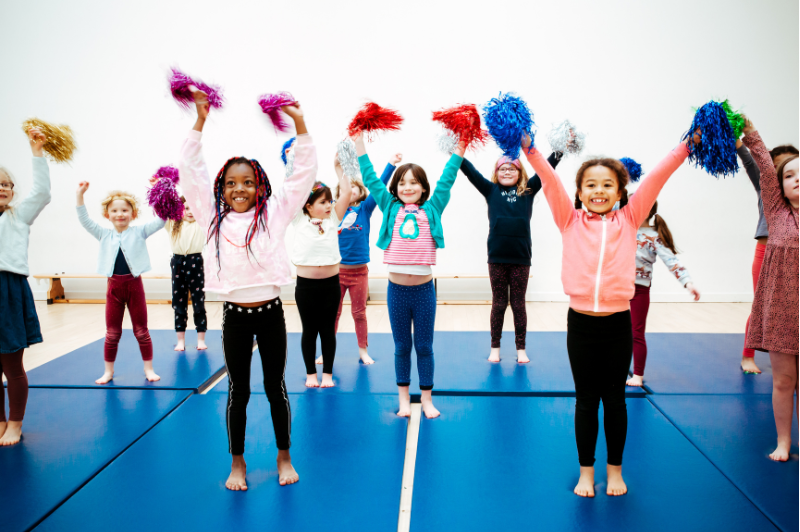
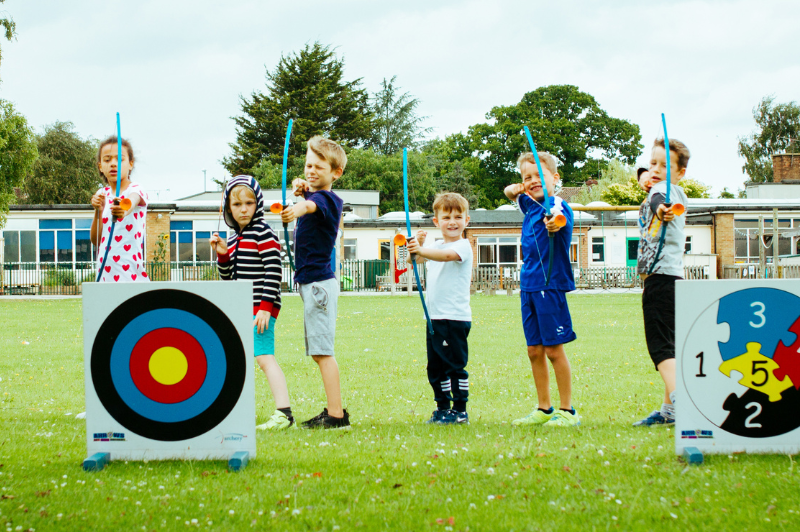
Not every child connects with traditional team sports. The good news is, they don’t have to. Dance, cycling, yoga, swimming, even a game of chase in the garden all contribute to that daily activity goal. At Premier Education, our clubs are designed to offer variety and spark joy, so whether your child is curious about gymnastics, eager to try archery, or simply enjoys running around with friends, they’ll always find something they love.
Can activity really help with behaviour and focus?
Yes. Teachers regularly tell us that children who are active before or during school are more settled, focused, and engaged. A recent review found that physical activity improves concentration and reduces behavioural difficulties, showing just how powerful a short burst of movement can be for learning.
How can I encourage my child if they’re reluctant?
The best way is to lead by example. Children copy what they see. If they watch you going for a walk, joining in a kickabout, or dancing in the kitchen, they’re more likely to join in. Making it social helps too. For example, a bike ride with friends or a family trip to the park often feels more like fun than “exercise.”
The Science of Movement and Mood
Childhood is a critical time for emotional development. Movement strengthens the brain pathways that regulate emotions, making it easier for children to manage stress and feel positive.
- Endorphins act as natural mood-lifters.
- Serotonin and dopamine improve sleep and focus.
- Cortisol levels fall, reducing emotional outbursts.
- Blood flow to the brain increases, sharpening memory and concentration.
The result? Children who move more are often more resilient, more confident, and better equipped to handle life’s challenges. As Sport England research highlights, physical activity interventions show moderate to strong benefits for children’s mental health, reinforcing what parents and teachers already notice every day.
How Premier Helps Support Movement and Mood
At Premier Education, we make it simple for children to experience the benefits of being active. Parents want peace of mind, schools want trusted partners, and children want fun. We bring all three together.
Through our wraparound care, children start and finish their school day in an environment that is safe, structured, and full of movement. Our holiday clubs provide days packed with variety, from sports and games to arts and creative challenges, giving children a chance to explore new interests, make friends, and return home brimming with stories. In schools, our PE programmes are designed not just to tick a curriculum box, but to inspire every child, building their confidence as well as their skills.
What makes the difference is how our coaches deliver these experiences. They’re trained not just in physical education, but in creating a warm, inclusive atmosphere where every child feels they belong. We put enjoyment first, because when children love what they’re doing, the benefits for mood, wellbeing, and resilience follow naturally. That’s why parents describe their children as coming home “happy, tired in the best way, and ready to rebook.” With more than 20,000 five-star reviews, families across the country trust us to help their children thrive.
Why it matters now more than ever
With children’s mental health under more pressure than ever, movement offers one of the simplest, most effective forms of support. The World Health Organization lists physical inactivity as one of the leading risk factors for poor health worldwide. By helping children build habits now, we can set them up for healthier, happier futures.
Ready to see the benefits?
Whether it’s through wraparound care, holiday clubs, or our school partnerships, Premier Education makes it easy for children to stay active, happy, and included. Our sessions aren’t just childcare, they’re experiences that shape friendships, boost confidence, and create the kind of memories that last.
