Bonfire Night Safety Tips for Families
Bonfire Night is one of the UK’s most exciting family traditions, filled with fireworks, sparklers, and warm evenings (once you’ve wrapped yourself up in hats and scarves). But between the excitement, smell of burgers and hot dogs, and the huge bonfires, it’s easy to forget one thing: safety.
Whether you’re heading to your local village display or hosting one at home with family, a little planning can make all the difference. Here’s how to make Bonfire Night safe, fun, and stress-free for every member of the family.
Dress for Safety and Warmth
November nights are cold, but staying safe isn’t just about wrapping up warm. Choose snug, non-flammable clothing, such as wool or cotton, rather than loose, floaty fabrics that can catch sparks. We also recommend avoiding costumes or accessories with any tassels or capes near open flames. High-visibility jackets or reflective armbands can also help you keep track of little ones in the dark.
Supervise Children at All Times
Excited children can easily wander into danger zones. Whether you’re at a busy community event or lighting fireworks in the garden, always keep little ones close. At home, set up a clear boundary between play areas and the fireworks or bonfire zone. Glow sticks or cones can make this boundary more visible (and fun).
Tip: For outdoor evening events, make sure children know who to approach if they get separated from you, such as a steward or event organiser.
Teach Kids About Firework Safety
Bonfire Night is a great chance to teach children about fire safety. Explain that fireworks are not toys, and remind them to:
- Watch from a safe distance.
- Never touch a firework, even if it doesn’t go off.
- Keep sparklers away from faces and other people.
You can make learning fun by turning safety reminders into a rhyme or game. These simple lessons help children understand responsibility in a positive, engaging way.
Know the Firework Rules in the UK
Fireworks are fun, but they are also subject to strict safety laws (which many people don’t actually know about). Here’s what families should know before lighting up the sky with fabulous displays:
Firework Curfew
You can only set off fireworks between 7am and 11pm, except on Bonfire Night when the curfew extends to midnight.
Age Restrictions
Fireworks can only be bought and used by adults aged 18 or over. Children should never handle or light fireworks.
Safe Categories
For home displays, stick to Category 2 and 3 fireworks (these are suitable for garden use). Category 4 fireworks are for professional use only.
Noise Limits
The legal limit for fireworks is 120 decibels (about as loud as an ambulance siren). Quieter options are available and can help protect pets and local wildlife. Always check your fireworks for a CE or UKCA safety mark before purchasing.
Follow Firework Safety Precautions
Even small fireworks can cause injury if handled incorrectly. We recommend following these best practices:
Read and Prepare
Always read the instructions before lighting a firework. Set up in an open, flat space, away from fences, buildings, or trees.
Light Safely
Use a long-handled lighter, and turn your face away. Light one firework at a time and stand back immediately. Never return to a lit or misfired firework; it may still ignite unexpectedly.
Keep Water Handy
Have a bucket of water, sand, or a fire extinguisher nearby. After the display, pour water over used fireworks to ensure they’re fully extinguished before disposal.
Handle Sparklers with Care
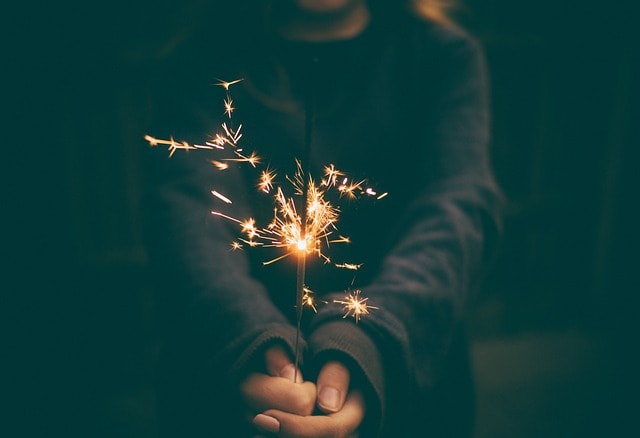
Sparklers are a Bonfire Night favourite, but it’s important to remember that they burn at over 1,000 degrees Celsius- hot enough to melt metal. To keep them safe and fun:
- Only let children over 5 years old handle sparklers under close supervision.
- Always wear gloves.
- Hold them at arm’s length.
- Place used sparklers in a bucket of cold water; never throw them on the ground.
Building and Managing a Safe Bonfire
A Bonfire Night celebration isn’t complete without the bonfire itself. Here’s how to enjoy it responsibly:
Pick the Right Spot
Choose a location at least 18 meters away from buildings, fences, and trees. Avoid power lines or close to roads.
Keep It Manageable
A smaller, controlled fire is safer and easier to manage. Large bonfires can produce excessive smoke and become unpredictable.
Never Leave It Unattended
Once you have lit your bonfire, it should be constantly supervised by an adult. When the evening has finished, douse the embers with water and check there’s no residual heat before leaving the site.
Keep Pets and Wildlife in Mind
Fireworks can be extremely distressing for animals and our fury friends. It is important during firework night that pets are kept inside and away from any loud bangs or anything that can cause distress. We recommend closing windows and curtains, and play calming music or background noise to help mask the sounds.
If you’re hosting the event, make sure to check for animals like hedgehogs before lighting your bonfires – they often like to nest in large piles of wood.
FAQs
What should I do if a firework doesn’t go off?
Never approach or try to relight it. Wait at least 30 minutes before dousing it with water to make it safe for disposal.
Can I use sparklers indoors?
No. Sparklers should always be used outside, in open spaces, and never near any flammable materials.
What are the safest fireworks for small gardens?
Stick to category 2 fireworks designed for confined outdoor areas. Always check the packaging for distance guidance.
How can I keep my children safe around fireworks?
Prepare them in advance by explaining what to expect and providing ear defenders or a favourite toy nearby for comfort.
What’s the safest way to host a Bonfire Night at home?
Keep the crowd small, follow the setup rules in this blog, and never mix alcohol with firework handling.
Bonfire Night is one of the most exciting family events of the year, and with the right safety measures in place, it can be so much fun for everyone.
By planning ahead, following these simple precautions and recommendations, and keeping children closely supervised, you can enjoy a night of warmth, fireworks, good food, and laughter with complete peace of mind. We hope you have a great Bonfire Night!
