Celebrate the Magic of the Summer Solstice with These Activities
What is the Summer Solstice?
The summer solstice is an astronomical event and celebrated cultural tradition which has been around for thousands of years, typically occurring around June 20th-21st each year.
It marks the longest day of the year and shortest night for those living in the northern hemisphere and the shortest day and longest night for those in the southern hemisphere, where it is their winter solstice. The summer solstice is an annual event due to the Earth’s tilted axis and its orbit around the sun.

The Science Explained
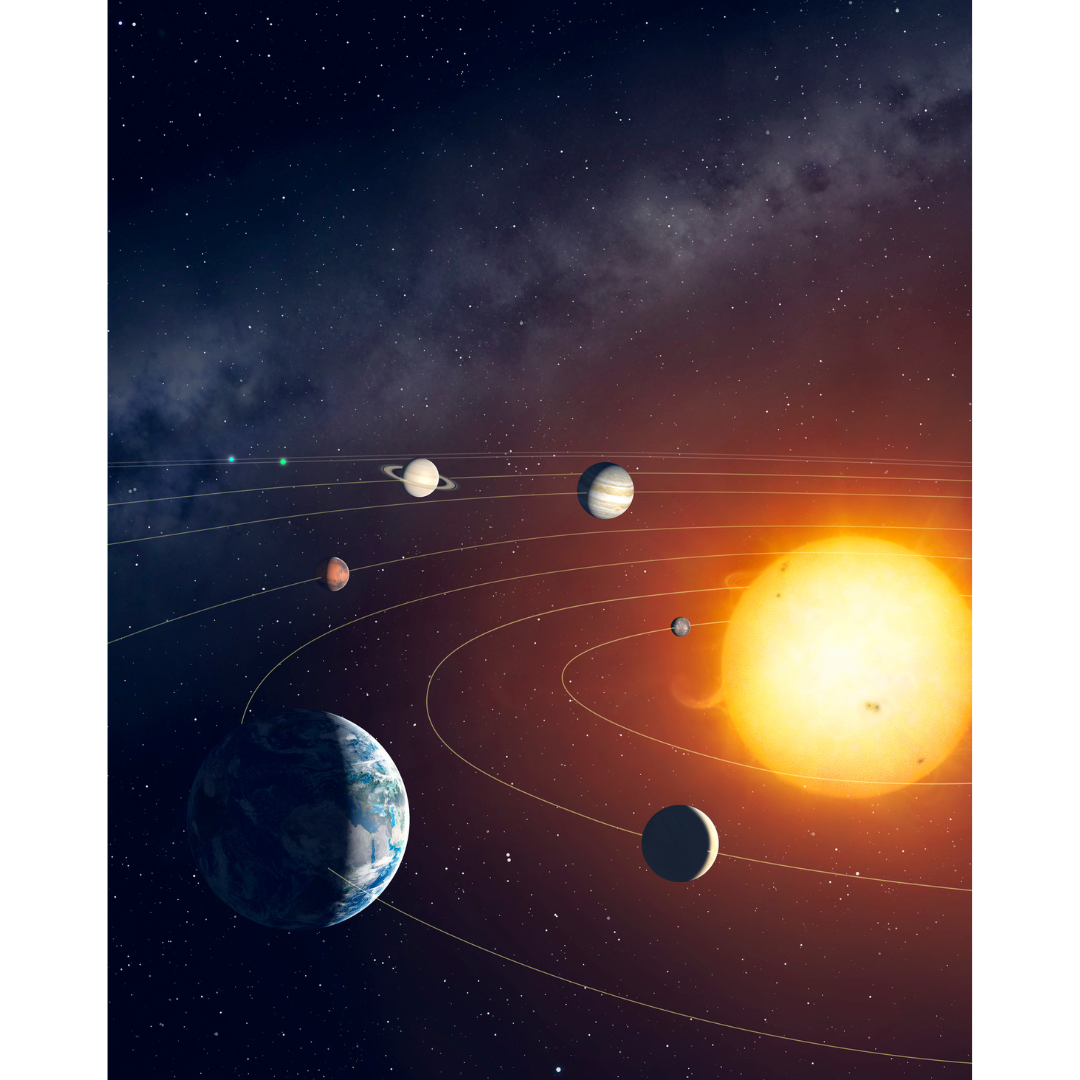
As Earth orbits the Sun, it reaches a point where one half of the planet, the northern hemisphere, is tilted at it’s maximum point towards the sun. This is the exact moment of the summer solstice, when the sun rises and reaches it’s highest point in the celestial equator, marketing the official start of the astronomical summer.
After this, the Sun’s movement begins changing direction and daylight hours gradually decrease until the winter solstice in December (the southern hemisphere’s summer solstice).
The term ‘solstice’ comes from the Latin words ‘sol’ (Sun) and ‘sistere’ (to stand still), referring to the Sun’s apparent movement change as it beings its reverse journey.
Summer Solstice Celebrations
The summer solstice has been celebrated across cultures and seasons for thousands of years, with people marketing this celestial event through rituals, festivals and midsummer celebrations to honour nature, life and the changing seasons.
Stonehenge Sunrise Gatherings
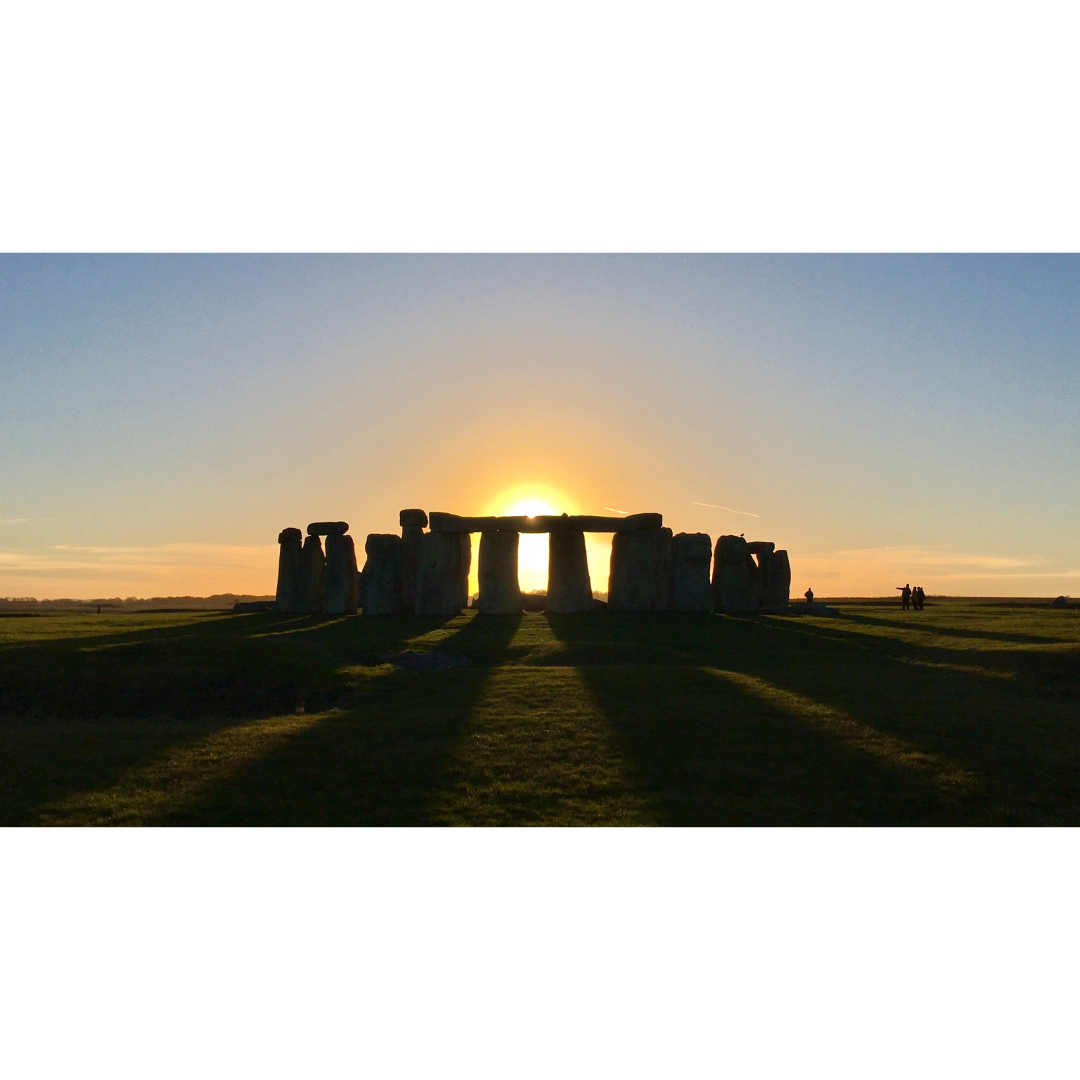
In the UK, Stonehenge is one of the most iconic solstice celebrations and one of the most famous monuments in the world. Located in Wiltshire and built over 4,000 years ago in the Stone Age.
The reason for the ancient stone circle in unknown, however, its stones perfectly align with the midsummer sunrise. This alignment shows how Ancient people had understanding of the apparent movement of the sun.
Each year, thousands of people gather at Stonehenge to witness the sunrise over the heel stone. These gatherings are spiritual and peaceful, with people celebrating through drummings, chanting, dancing, sunrise meditation, and lighting fires. A tribute to honour the momentous occasion and celebrate connection between people and the sun.
Swedish Midsummer
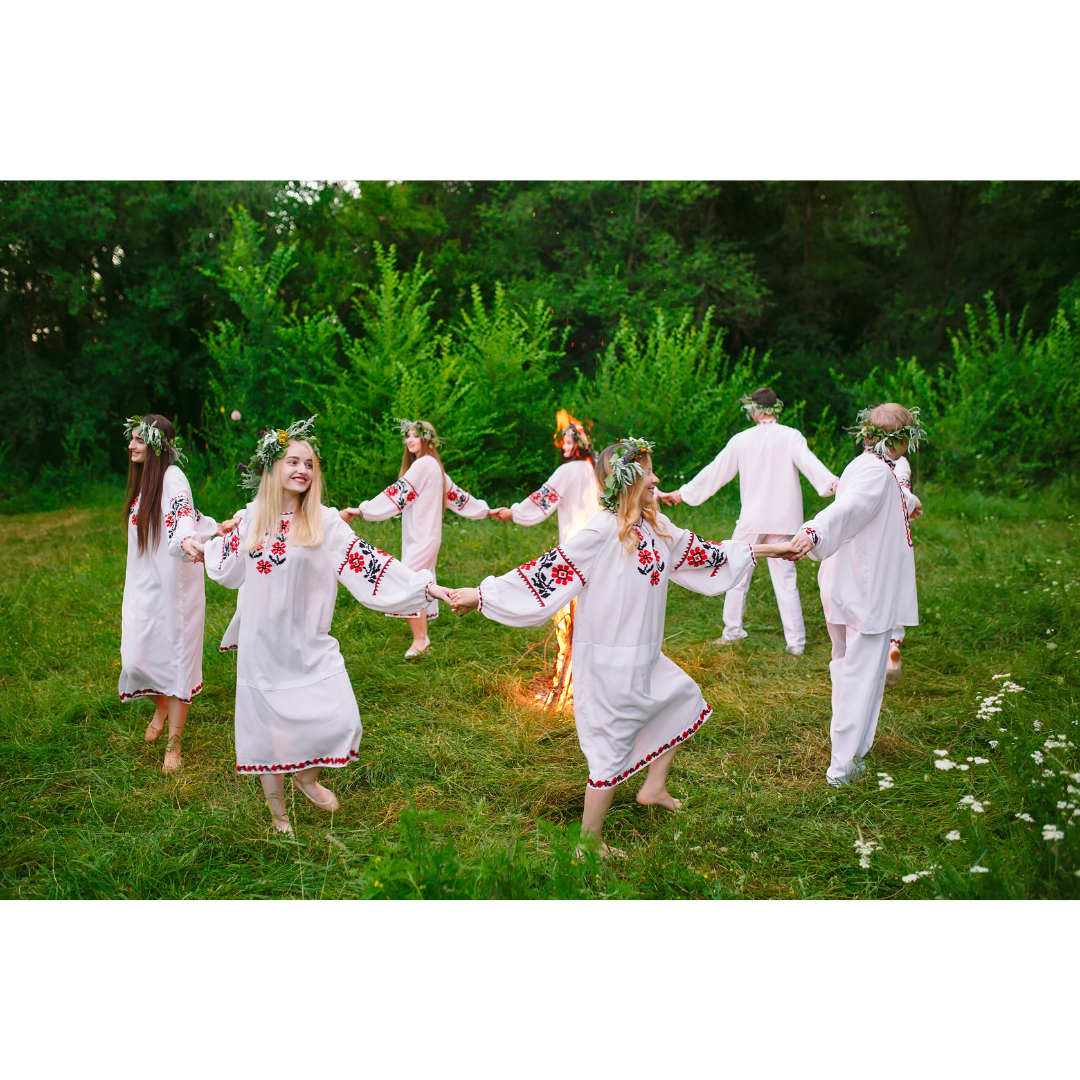
Midsummer is one Sweden’s biggest holidays, celebrated on the Friday closest to the summer solstice. It is a family-orientated celebration of honouring the sun, nature, and connection.
Key Midsummer Traditions include:
- Dancing around the Maypole: A pole beautifully decorated with leaves, ribbon and flowers, families gather to sing traditional songs and dance. A popular song is called ‘The Little Frogs’ where everyone hops like frogs!
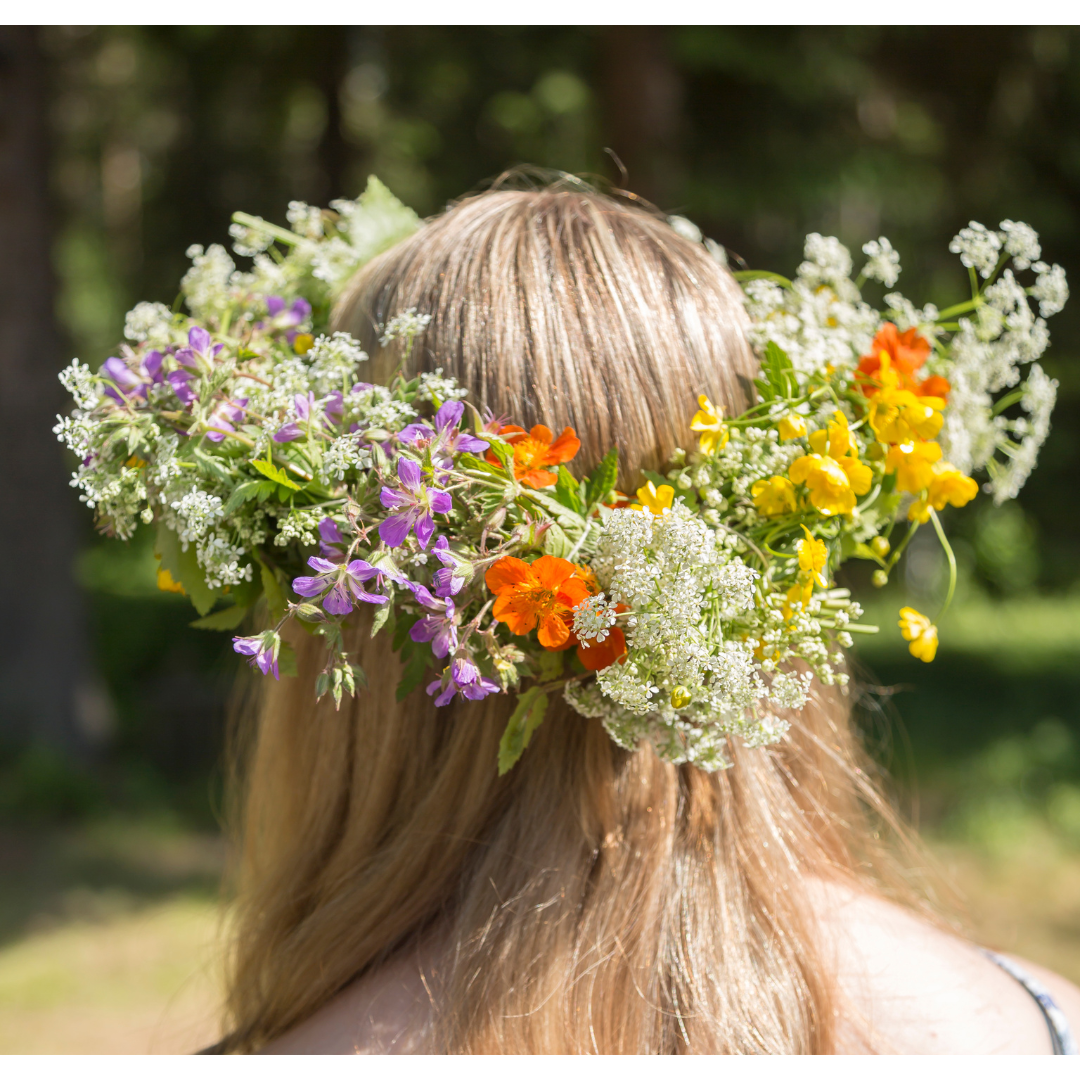
- Flower crowns: Worn by children and adults and made from wildflowers, leaves and greenery which is gathered on the day.
- Midsummer feast: Everyone gathers to enjoy an array traditional foods like pickled herring and strawberries and drinks, to celebrate the momentous occasion together. Skål! (Pronounced ‘Skol’, meaning ‘cheers’ in Swedish)
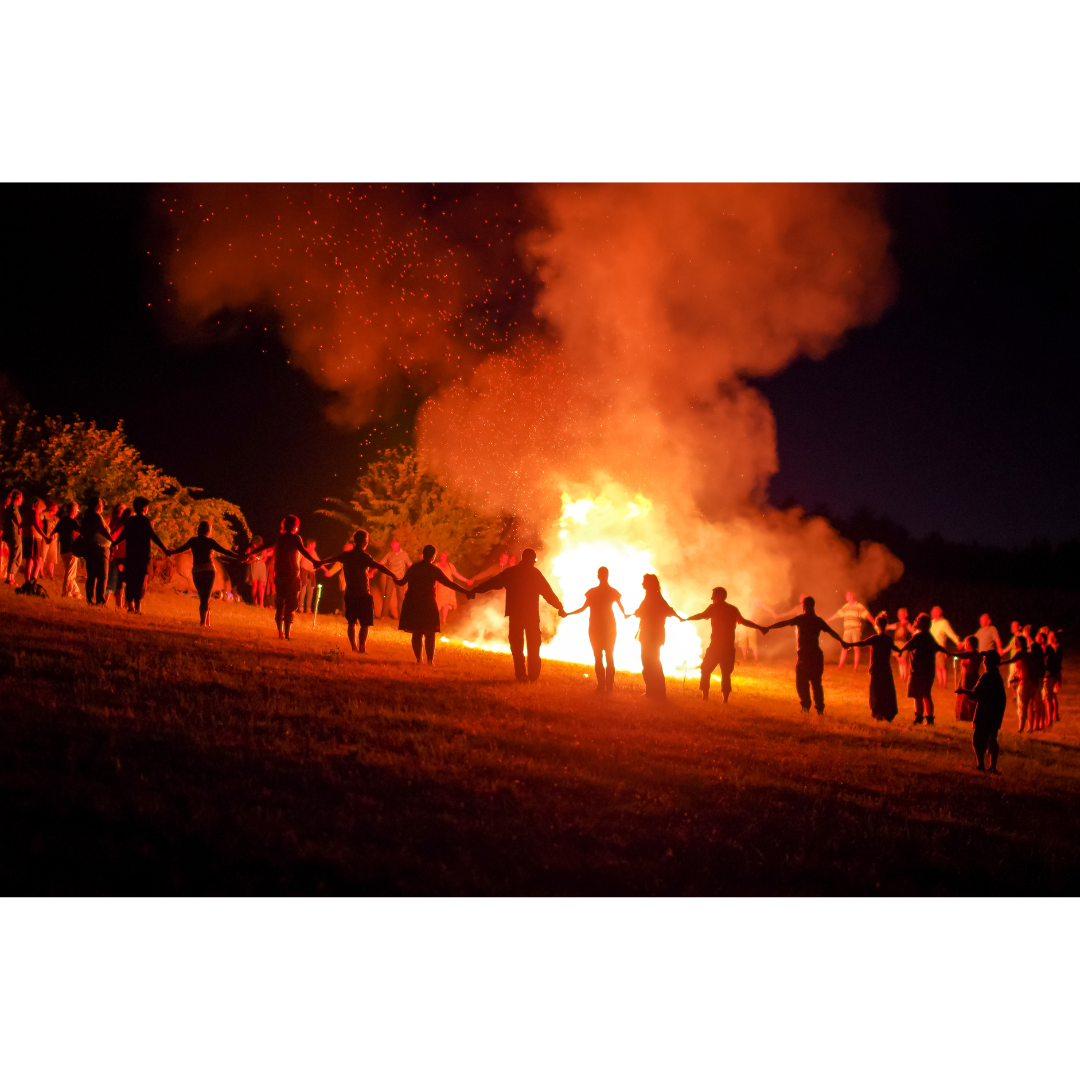
- Night sky festivities: Groups enjoy bonfires, music, games and dancing in the night sky, on the shortest night of the year.
Solstice Celebrations Around the World
Historically, in North America, many Native American tribes held sun dance ceremonies, performed to give thanks to the Sun and Earth. In modern times, people participate in yoga gatherings and practice mindfulness; to celebrate nature, personal growth and renewal.
In Alaska, the summer solstice is celebrated with the Midnight Sun Baseball Game, which takes place at 10pm and pauses for the Alaska Flag Song.
Many cultures light bonfires to celebrate cleansing, protection and abundance. This includes countries like Latvia, where they hold a national solstice festival named ‘Jāņi’, which the northern hemisphere experiences . This is just as big as Christmas in Latvia, where groups wear nature wreaths, sing, light bonfires and feast!
Many cultures celebrate the summer solstice through their own traditions and beliefs around the world. These practices signify the importance of the changing seasons, including winter, and our connection with nature.
Celebrate with these Summer Solstice Activities
Here are some enriching ways to honor this celestial event at home with your family, combining fun, learning, and creativity.
Nature Hunt
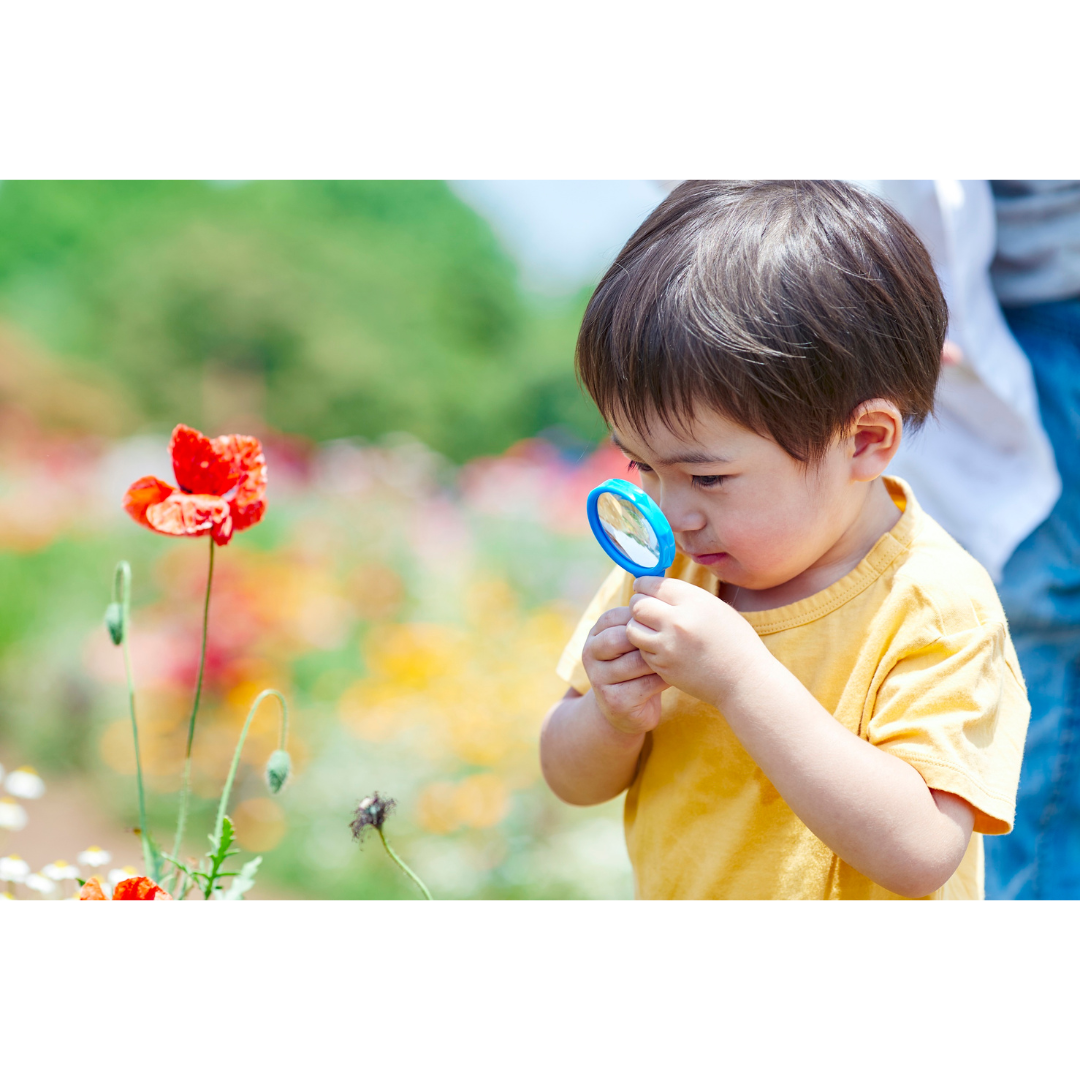
Celebrate the changing seasons with a nature walk or scavenger hunt and explore the seasonal beauty nature has to offer.
Create a scavenger hunt for little ones to enjoy in your garden, local park or anywhere in the countryside. Here’s is a printable sheet you can use, to find items and complete the checklist.
Outdoor Nature Scavenger Hunt Printables + Ideas for Kids
Alternatively, print a list of items for your children to find, flowers, leaves, feathers, stones, and let them explore the natural world!
Tip: Combine this with sun prints (see below) for a full afternoon of sun-themed adventure.
Sun Yoga
Nature themed yoga is a wonderful way for children to practice mindfulness, movement, sunlight and connect with nature.
Poses such as the sun dance and tree pose are great for connecting children to the earth and sky on the longest day of the year.
Try these yoga poses, complete with tutorials: 9 Fun Summer Yoga Poses for Kids — Yo Re Mi

Sun Prints and Nature Art
Sun prints are a fun and easy creative project where art meets science. Simply collect some foraged plants or fallen leaves, preferably some which have texture like dandelions, ferns or tree leaves. Arrange them on sun-sensitive paper, and watch as the sunlight creates unique natural imprints, creating beautiful art to honour the midsummer.
Use this guide to help you get set up for your sun print project. How to Make a Sunprint with Kids – Green Child Magazine

DIY Sundial Craft
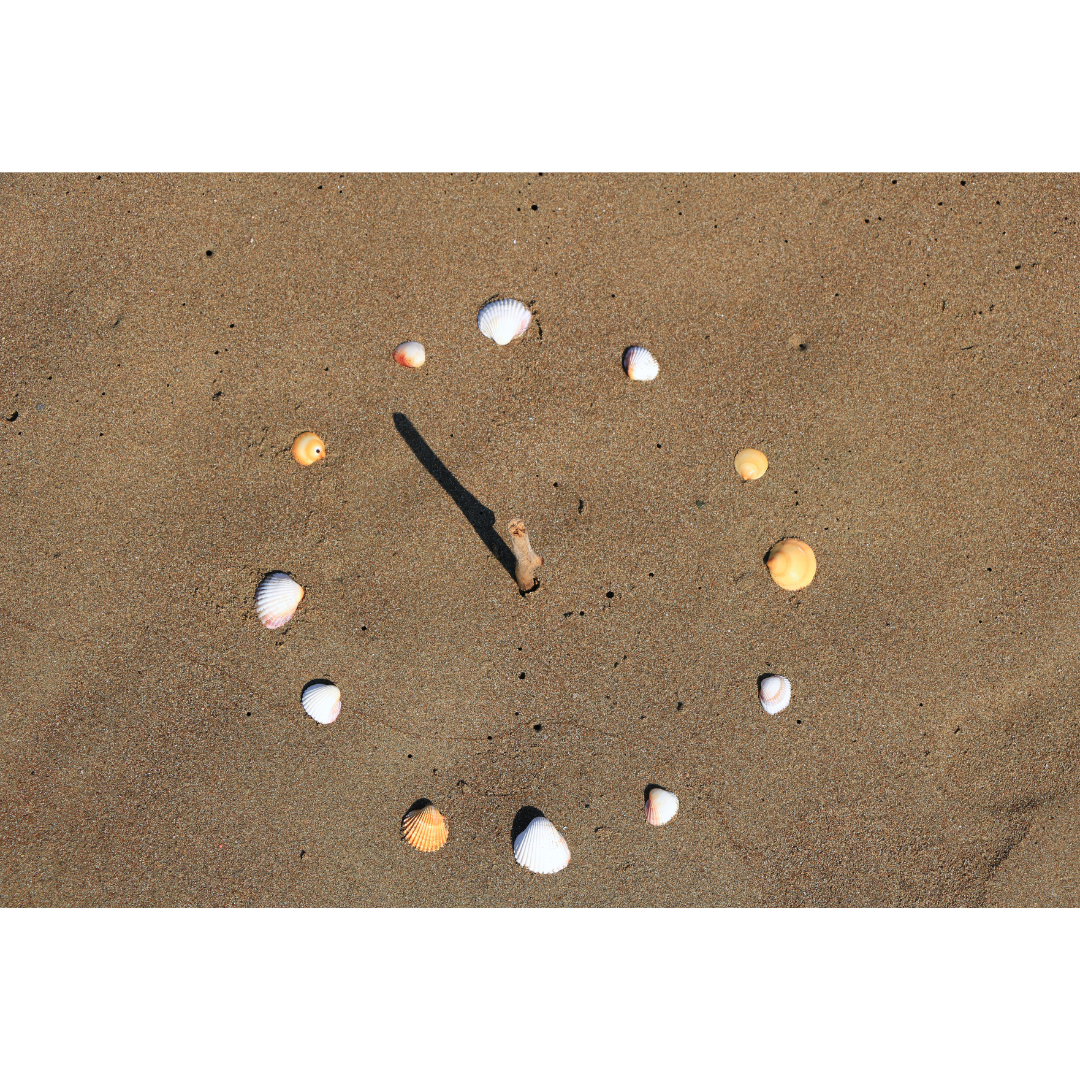
A craft project based on the science of the summer solstice, make your own sundial! This helps your child to understand how the sun rises and moves throughout the day through an engaging and interactive activity.
Draw out the template onto pavement using chalk, sticks and rocks or print out a template to teach your child how the sun moves in the sky.
Here is a handy tool on how to make your own sundial using a printable paper template, which can also be used to help create your pavement drawing: Make Your Own Sundial – NASA
Picnic and Flower Crowns
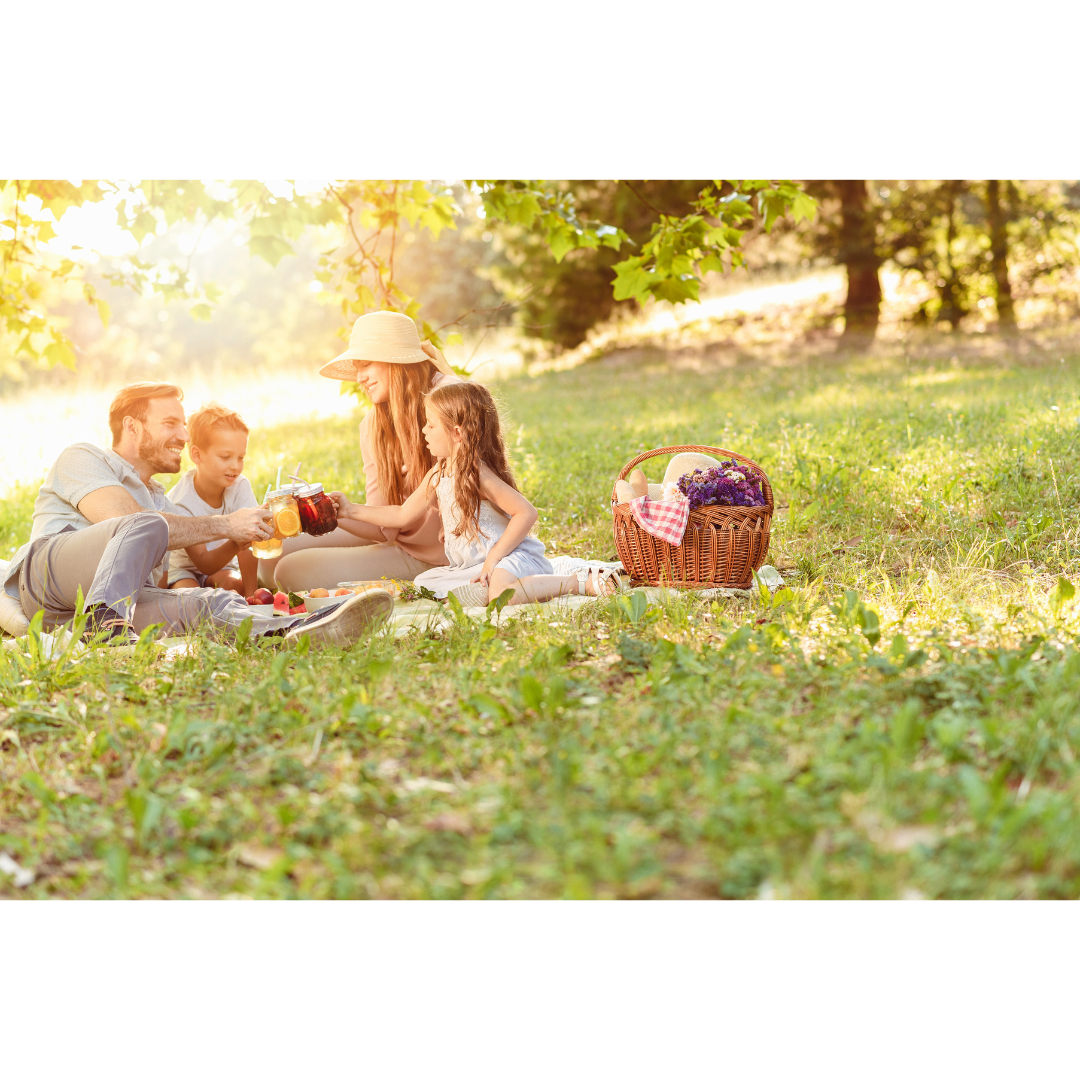
A lunch time activity, perfect for a midsummer’s day. Pack a picnic full of nutritious food to enjoy as a family and find a lovely beauty spot to tuck in.
For a summer equinox themed picnic basket, pick foods inspired by the sun – think orange, red and yellow – like oranges, pineapples and circular treats!
Celebrate like in Sweden! A fun activity to include on your picnic is flower crowns. Bring along crafting materials or use nearby daisies, dandelions and wildflowers to create flower chain’s to wear and celebrate this celestial occasion.
Campfire and Story Time
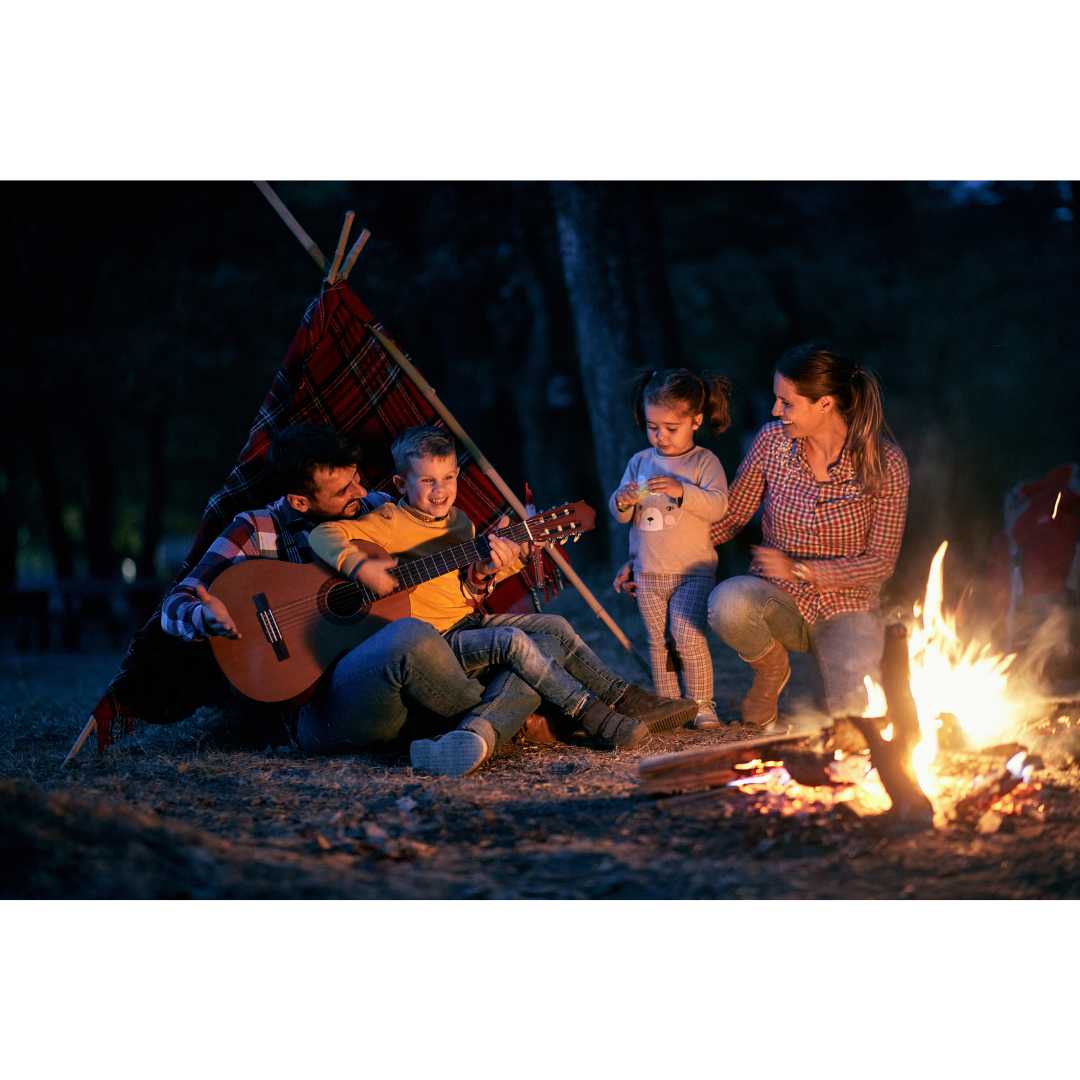
Wrap up your summer solstice celebrations with a campfire. Toast marshmallows, sing songs, and read nature-themed stories and enjoy quality family time under the night sky.
Picking a book to read around the campfire is a great way to honour the summer equinox!
Recommended Reads:
- The Longest Day: Celebrating the Summer Solstice by Wendy Pfeffer
- The Honeybee by Kirsten Hall
- Midsummer’s Magic by Anna Franklin
The Global Significance of the Solstice
The summer solstice marks more than just a long day, it’s a celebration of life, light, and our planet’s position in the universe. Across the world, from the northern hemisphere to the southern hemisphere, people celebrate with joy.
Whether you attend a Stonehenge sunrise, host a family picnic, or simply pause to watch the sunset, remember that the solstice connects us all to the Earth, the Sun, the seasons, and to each other.
Happy Midsummer!
