Top tips for teaching primary PE from the experts
Teaching PE in primary schools can be incredibly rewarding. It’s often a period in the school day where pupils enjoy a break from the classroom and burn off some energy. And, knowing that it might be some children’s only opportunity to get physically active during the week makes PE a crucial part of the primary curriculum, despite it not having core subject status.
But of course, it also comes with many challenges. Not all pupils are naturally sporty, and some might find PE lessons daunting due to low confidence.
There’s also the issue of many generalist primary school teachers feeling unprepared to teach PE lessons. This can be down to several factors, including lack of training, poor experiences of PE lessons in the past, not feeling supported by management, lack of resources and even concerns over behaviour management in an active environment.
The good news is that there is support out there for primary teachers who want to teach high-quality PE but don’t feel that they have the expertise. For example, research has shown that engaging with an external specialist provider of PE, such as ourselves, not only brings countless benefits to pupils but also helps to upskill teachers and boost their confidence in teaching PE.
But our goal here is to give some much-needed guidance to those who are teaching PE in primary schools without any external support, and want to develop competence to ensure the best possible outcomes for their pupils.
What are the challenges of teaching PE in primary schools?
Challenge 1: Lack of pupil engagement/confidence
As we said earlier, some pupils have a natural opposition to sport or physical activity, so PE lessons are a source of negativity and self-doubt. A big part of physical education is to help and support children in finding an activity that they enjoy, the aim being that they will continue with it as they get older and lead active lives.
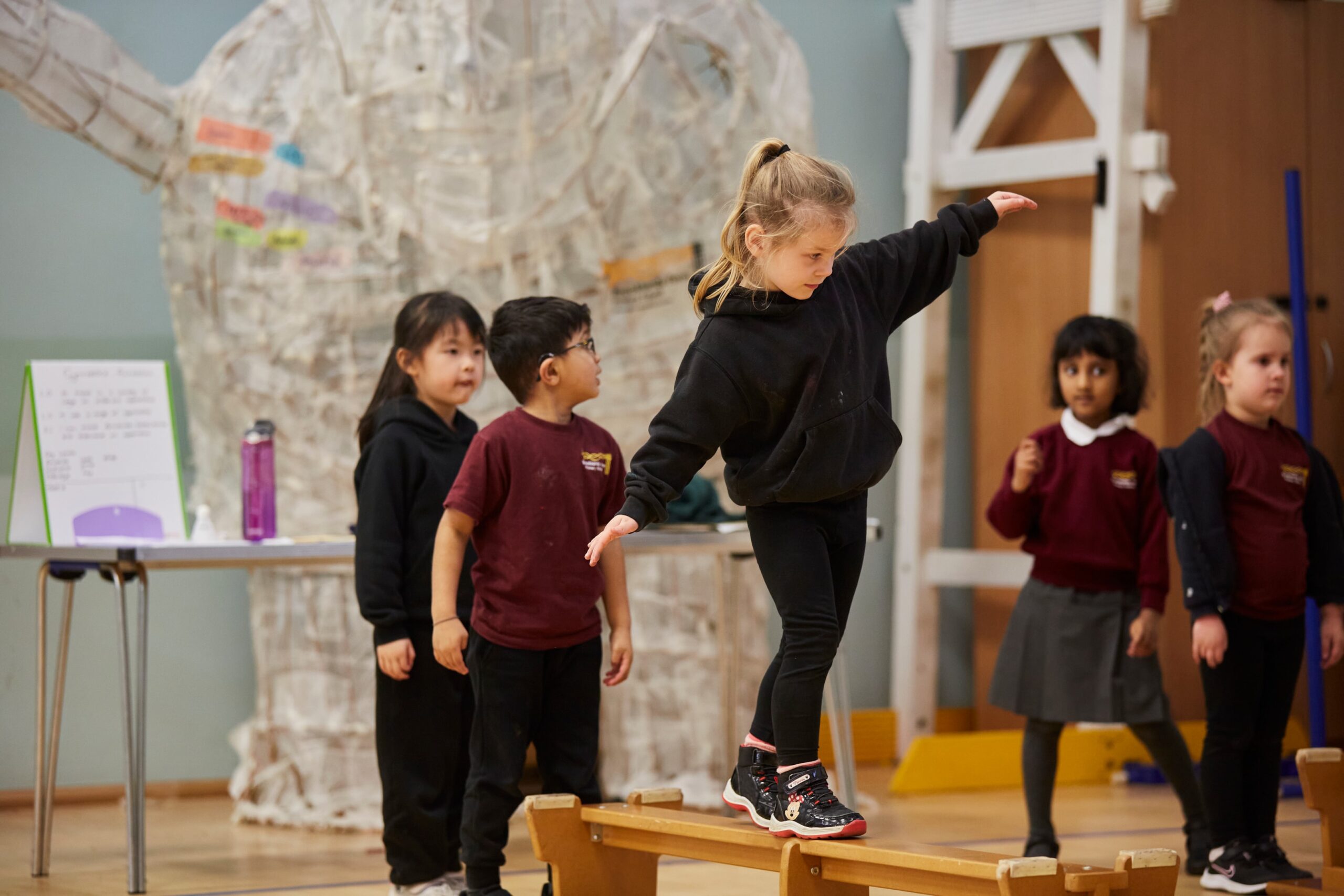
So, how can we ensure that all pupils have the self-confidence to give PE lessons the same focus and effort that they give to other subjects?
- Bring a broad range of sports and activities to your lessons, rather than just focusing on traditional team sports. For example, why not try handball? Include individual activities, movement-based and games-based learning.
- Get to know the individuals in your class and adapt your lessons to fit the competencies of your pupils. Avoid instances of team-picking that could lead to isolation and low self-esteem.
- Have fun! Highlight the importance of enjoyment over winning, and get creative with the activities you do.
- Make sure pupils receive plenty of praise and individual feedback to help boost confidence.
Challenge 2: Time constraints
National curriculum pressures mean that PE often doesn’t get as much time in the school timetable as it should. However, it’s important to make sure at least two hours of timetabled PE lessons are available to all pupils each week.
Maximising those precious two hours to incorporate as much sport and physical activity as possible can be tricky, but there are a few simple ways you can make sure pupils get the most from their PE provision.
- If your school has pupils bringing in their PE kit to change into, can you switch this around so pupils come in wearing their PE kit on PE days? This saves a lot of changing time, especially for those pupils in Key Stage 1.
- If your school prefers to change on-site, try to be present within the changing area to ensure a speedy change and limit silly behaviour, which costs precious minutes.
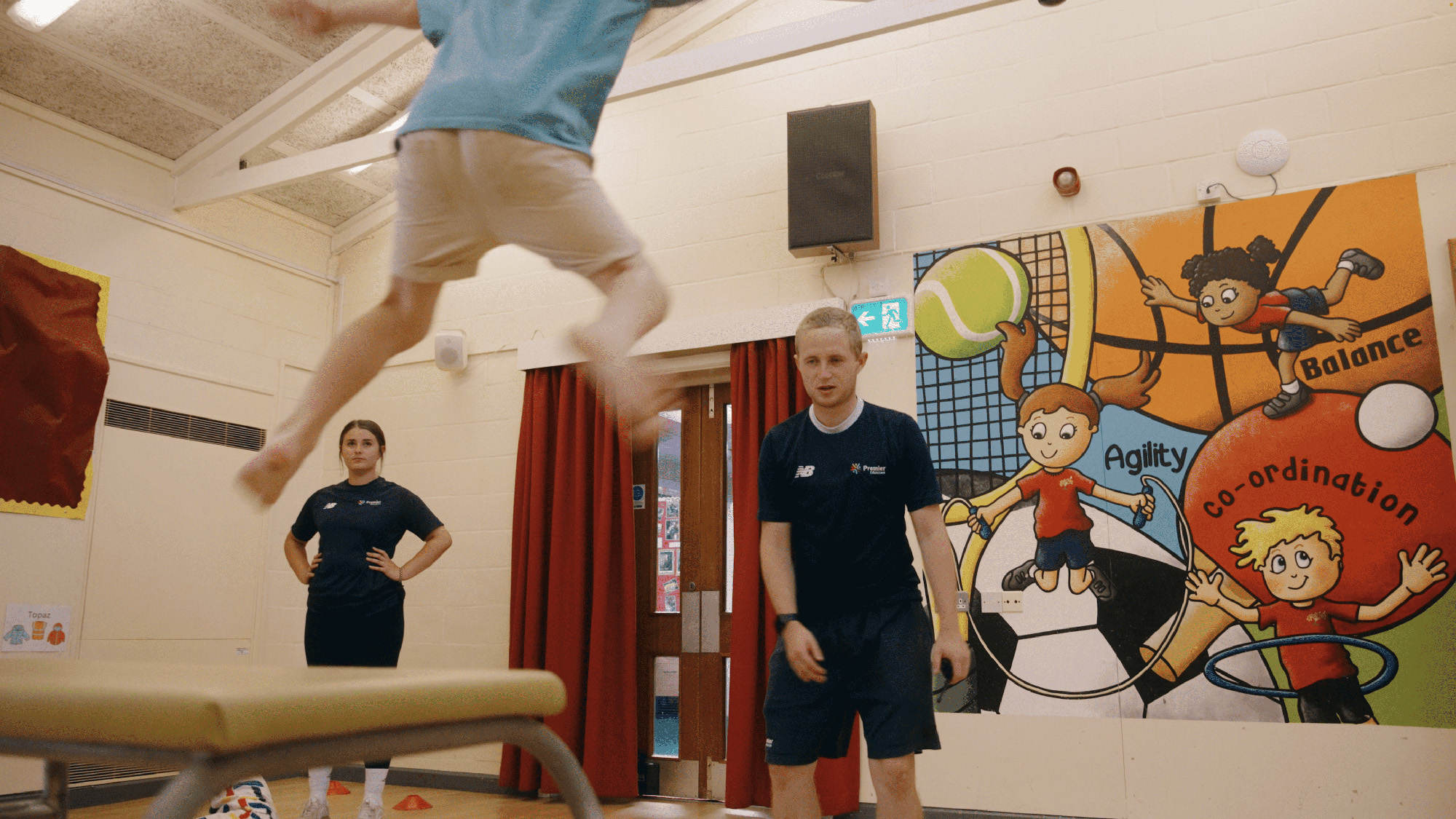
- Get pupils moving from the outset. Minimise static instruction elements and aim for the class to be moving 80% of the time.
Challenge 3: Limited subject knowledge
Just as not all pupils have an interest in sport, not all teachers do either! It’s understandable that if physical activities and different sports are not a part of your life, you won’t feel particularly comfortable teaching them.
It’s also the case that trainee primary teachers often spend less than ten hours on PE during their entire course. So it’s no wonder that many primary school teachers feel underequipped to deliver high-quality PE lessons that are safe, inclusive and engaging.
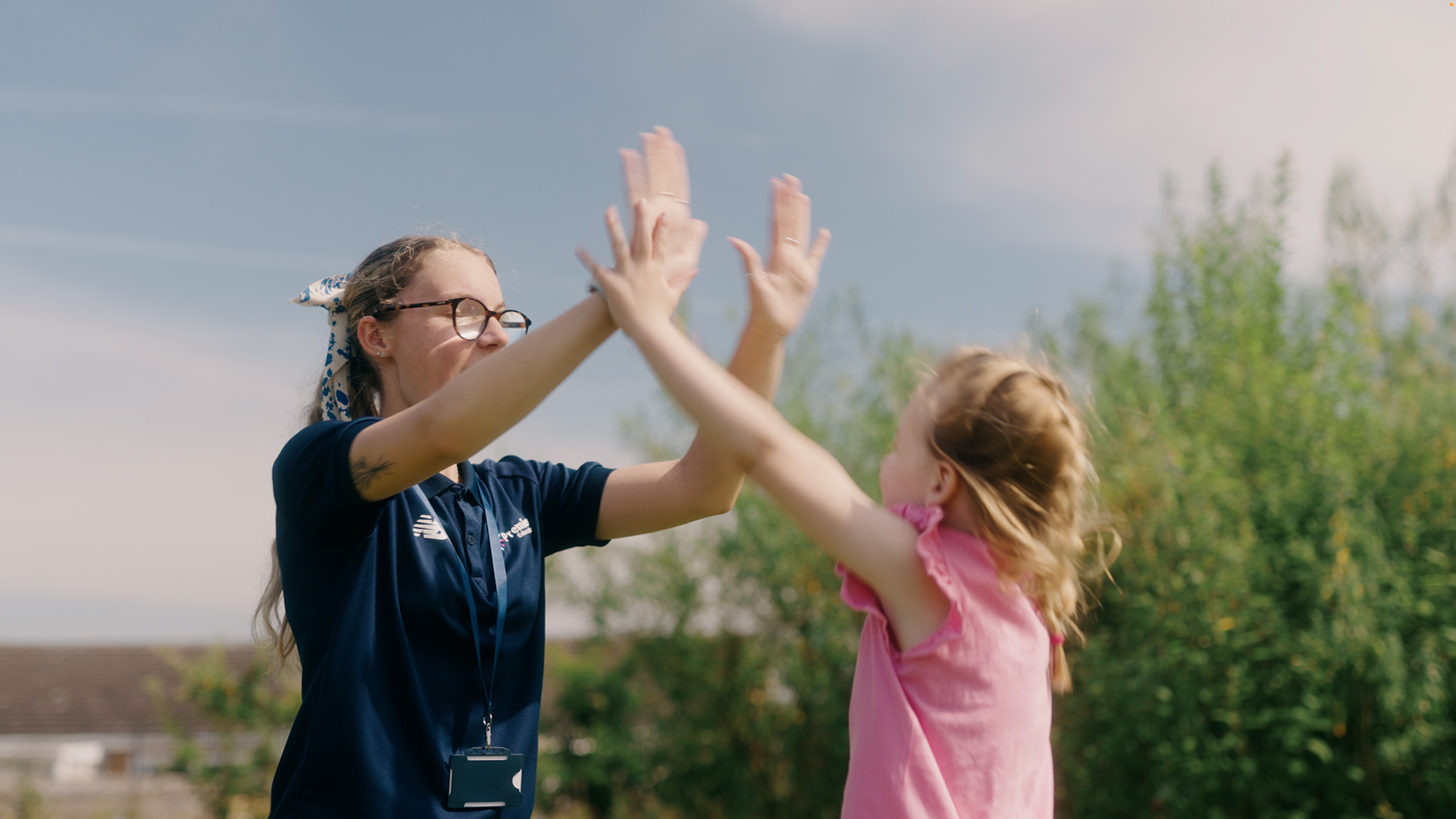
In this case, we’d highly recommend engaging with an external specialist who can improve staff competence by demonstrating best-practice PE lessons. Working with coaches who not only understand timetable and resource restraints but also have a varied and in-depth knowledge of physical education can boost the confidence of those who struggle to deliver the PE curriculum.
Other tips include:
- Use a high-quality scheme of work with easy-to-follow lesson plans.
- Don’t over-complicate things. Keep to the basics that feel familiar, such as football or cricket, and focus on fun and healthy participation.
- Even if you don’t feel confident, it’s important to role-model enthusiasm.
- Share resources with other teachers and look for PE CPD courses.
- Make sure your primary PE planning is clear in terms of skill focus and learning outcomes.
Challenge 4: What does progress look like?
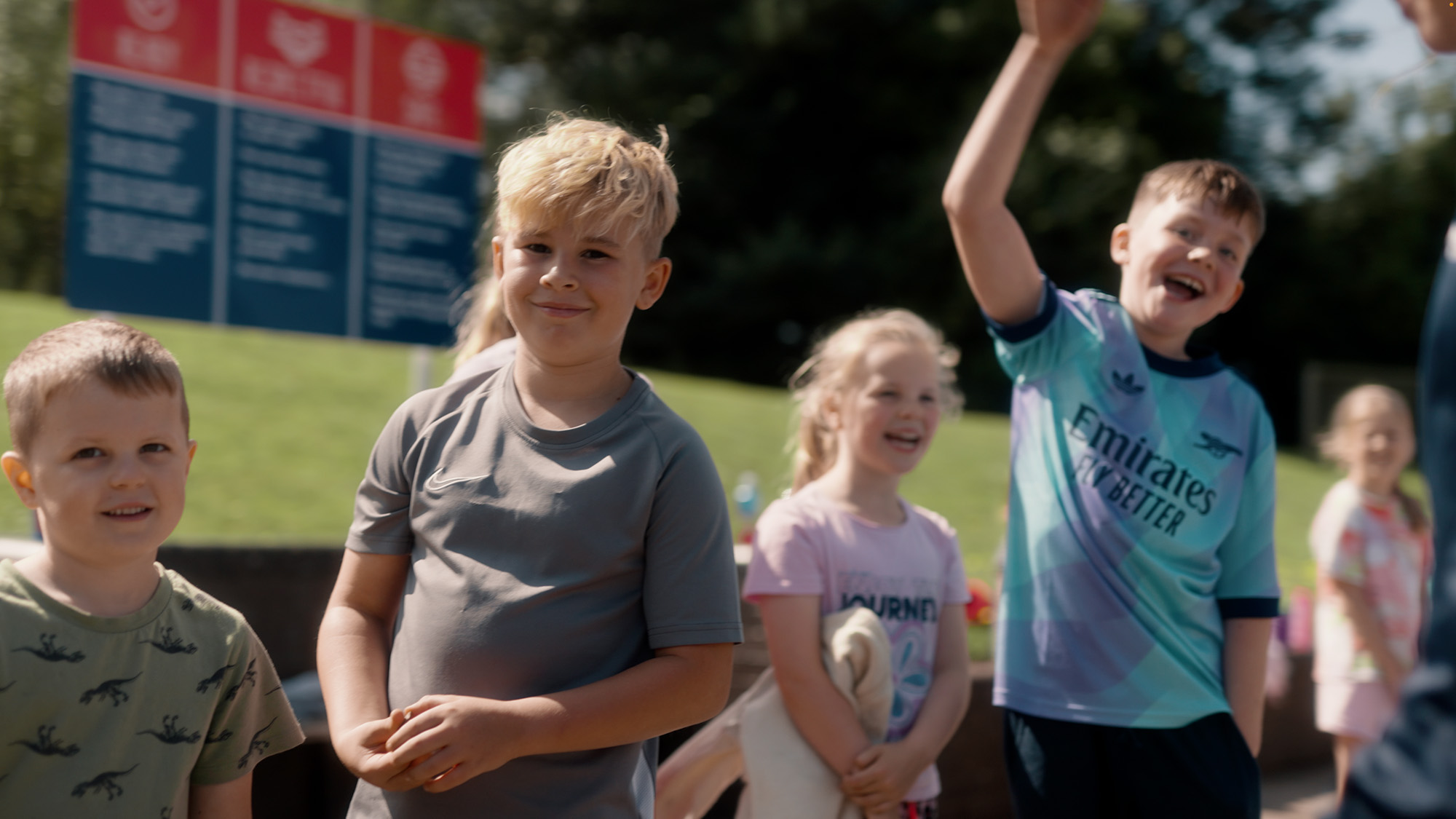
Assessing progress is key in ensuring effective, purposeful PE lessons. With this level of insight, you can identify any areas for improvement and make adjustments, as well as have the necessary information for Ofsted inspectors.
- Focus on individual pupil development and physical literacy
- Keep assessment continual and physical, involving pupil reflection
- Look at personal qualities such as teamwork, cooperation and resilience as well as motor competence
- Set a clear end-of-unit task or challenge. Pupils should be aware of learning outcomes from the start of the term so they know what they should be achieving.
- Use online tools such as Pepe, our PESSPA platform, which makes measuring impact easy.
Challenge 5: Making the most of Sport Premium funding
Having a ring-fenced budget dedicated to PE and PESSPA at your school is fantastic and really gives you the opportunity to make sure pupils are getting even more physical activity into their week.
It’s important to plan where Sport Premium funding should be spent, identifying additional ways to bring pupils new and varied sporting experiences to support learning.
So what can you spend this budget on?
- Improving facilities or hiring external sports coaches (such as ourselves!) to work with teachers and ensure high-quality PE teaching
- Schemes and initiatives that introduce new physical activities and sports, introduce competitive sports through intra-school competitions or even festivals to celebrate participation
- Buying new resources or equipment
- Staff CPD to help boost teacher confidence.
FAQs
What are the barriers to PE?
As well as a lack of resources and underequipped teachers, there are a number of other factors that should be recognised as preventing participation.
For example, research shows that children from ethnic minority backgrounds are less likely to participate in sport and PE. This could be down to a range of factors, including parental attitudes, language barriers, cultural factors and even a curriculum lacking cultural representation.
Other barriers include poor support for those children with physical limitations or special educational needs.
What are the three pillars of PE?
There are three key areas that are generally considered to be the foundation of physical education.
- Physical competence: developing physical literacy and motor skills to build confidence in activity and sport.
- Cognitive understanding: supporting children in understanding why physical activity is important and encouraging them to make healthy choices throughout their lives.
- Social and emotional development: promoting positive attitudes and building key skills such as teamwork, resilience and sportsmanship.
What are the five Cs of teaching?
The five Cs of teaching aim to prepare children not only for academic success but also for life in general and they can help teachers in remaining focused on what their lessons should achieve.
Helpfully, there are five Cs of PE teaching, which are key concepts in building personal growth and success. Sport psychologists often use them when working in youth sport to help young people reach their goals.
- Commitment
- Communication
- Concentration
- Control
- Confidence
Turn PE from a struggle into a strength!
We hope that the above tips help you deliver a broad PE curriculum that gets more pupils engaged and inspired to lead healthy, active lives. If you would like further support in teaching PE, please get in touch.
Our experienced coaches can play a pivotal role in supporting the delivery of curricular PE, but we can also bring some new and exciting sporting experiences to the young people at your school through enrichment days and after school clubs.
We look forward to working with you soon!
