7 Tips for Teaching Road Safety for Children from a Young Age
Walking with your kids to school is one of the best ways to boost physical activity, as well as reducing the stress of the school run and parking. Despite this, teaching road safety for children comes with a lot of responsibility.
Whether it’s their first time walking beside you or they’re starting to become more independent and want to walk to school with their friends, teaching road safety from an early age makes sure that children feel confident and aware that they need to make smart choices near busy roads and traffic, ultimately making sure that they stay safe.
Luckily, we have put together a list of 7 practical, parent-approved top tips to help you teach road safety to your child, starting today.
Lead by example
We all know that children learn habits straight from their parents, including how you behave and cross roads safely. Make sure you set a good example by always using a pedestrian crossing, looking both ways before stepping off the pavement, and avoiding any distractions like using your mobile phone when walking. We recommend narrating your decisions before crossing the road: “Let’s wait for the green man before we cross”, or “Let’s stop here to check for cars.” By doing this, you’ll reinforce this behaviour as the norm and teach your child to cross safely.
Teach them the basic rules early
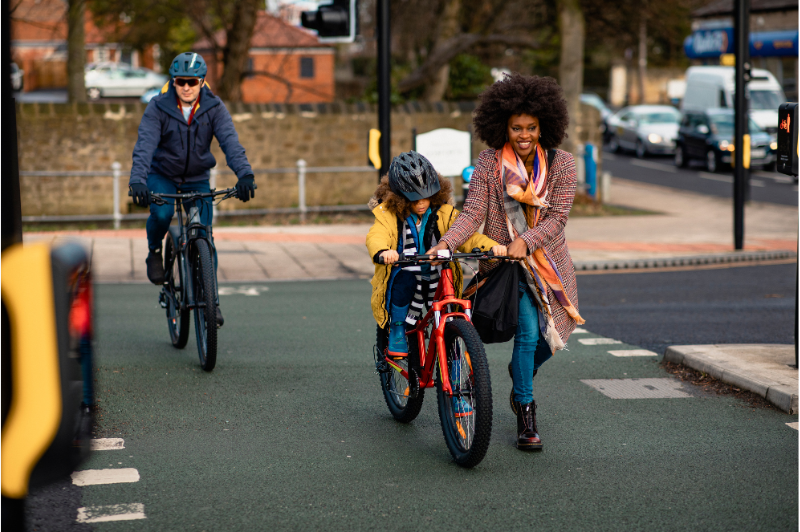
Even little ones can begin to understand simple road safety rules. We suggest starting with the essential messages, such as;
- “Stop at the edge of the road.”
- “Make sure you hold hands with an adult.”
- “Look left, right, then left again.”
Try to find everyday opportunities, like a walk to the nursery or the park on the weekend, to reinforce these messages. Consistency is key to building safe habits.
Use pedestrian crossings properly
Whether it’s a pelican, zebra, or puffin, make sure your kids know how to use them and safely cross. Practice pressing the button with them and waiting for the green man to appear, and explain why each part is important. For example, teach them the difference between the red stop light and the flashing amber lights.
Help your children to understand that even if you are crossing the road, it’s so important to stop, look, and listen before stepping out. A distracted driver or oncoming traffic can cause a serious accident.
Turn road safety into a fun game
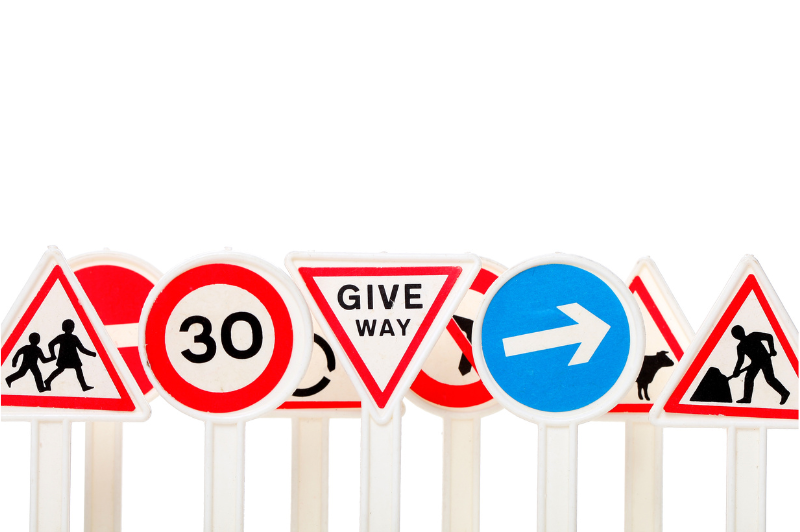
Learning to cross the road safely (even if there are parked cars) doesn’t have to be boring, especially for younger kids. You can turn your safe walks to school into a mini game. Here are some ideas;
- Spot the crossing: Who can find the nearest zebra crossing?
- Listen carefully: Can you hear a car before you see it?
- Road sings bingo: Draw pictures of the common signs you see on a road and get your children to tick them off if they see them.
This type of interactive learning not only keeps kids engaged, but helps them remember what to do in real-life situations if you’re not with them to remind them.
Always stress the importance of ‘stop, look, listen, think’
One of the most important rules in road safety is the ‘stop, look, listen, think’ rule. This age-old method is, in our opinion, one of the most effective ways to teach your little ones how to be safe when crossing the road.
- STOP at the edge of the pavement.
- LOOK in all directions for traffic coming.
- LISTEN for approaching vehicles.
- THINK about whether it’s safe to cross.
Repeat this every time you and your children cross the road together, and encourage your little ones to say it with you. Over time, they will instinctively do this, without you having to remind them.
Teach your child to spot unsafe places to cross
It’s no surprise that children don’t always spot oncoming risks the same way that adults do. That’s why it is just as important to teach them which places are not very safe to cross. Pedestrian crossings or straight roads with good visibility are preferred over areas such as busy junctions, bends or parked car areas that obstruct your vision out into the road and any oncoming traffic.
Ask them questions as you walk, such as: “Do you think this would be a safe place to cross? Why or why not?”. This will encourage them to think critically about safety.
Build independence gradually
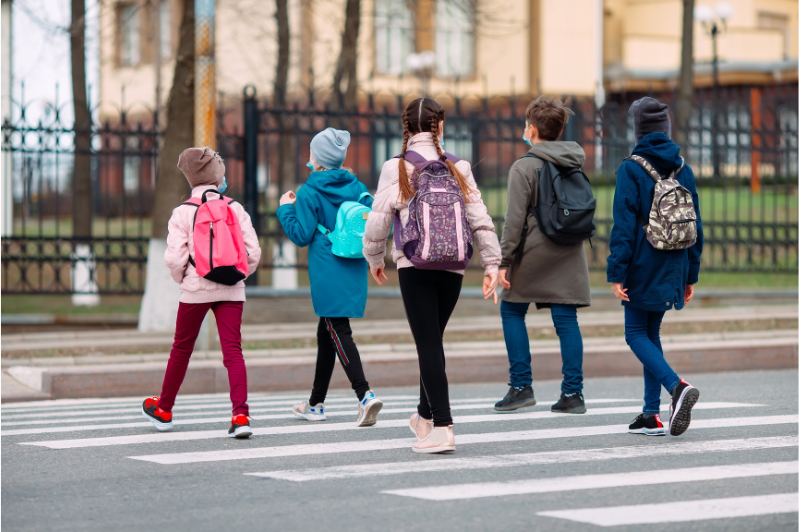
As your child gets older, they will probably want to walk part of the way to school alone or with friends. It’s important to build their confidence so that they’re ready for this step.
You can start by letting them walk ahead while you follow closely. Some parents have also said that they tried role-playing different scenarios, such as what they would do if a ball rolls into the road? How do they cross the road if the traffic lights aren’t working?
Why does road safety matter?
According to the Department for Transport, more than 1,500 children are seriously injured on UK roads every year. With the number of cars on the roads only increasing in recent years, as well as distractions like mobile phones, children need a good understanding of solid road safety tips to stay safe.
By encouraging positive habits from an early age, we can help reduce the risks facing young children and given them the freedom and skills to explore safely as they grow up.
Other tips for keeping your child safe
Looking for more ways to protect your child in everyday situations? Check out our other helpful safety guides:
- Internet safety for kids
- Child Safety Week – tips to keep your child safe inside, outside and online
- The parent’s guide to mobile phone health & safety for kids
- Sun safety for kids
Road safety for kids starts with everyday conversations to raise awareness, real-world practice, and clear, consistent guidance from you. By taking small steps now and implementing these tips and tricks, you’re laying the foundation for a lifetime of safer, smarter decisions with your child’s safety.
