10 After-School Ideas for Wraparound Childcare
Wraparound care plays a vital role in supporting working parents, offering convenient, consistent childcare before and after school for primary-aged children.
Unlike one-off after-school clubs, wraparound childcare runs daily during term time (and often extends into holiday childcare), giving children a safe, familiar environment to learn, play and grow.
But with such a broad age range to cater for, finding activities that are fun, inclusive, and enriching can be a challenge.
At Premier Education, we’ve been helping schools deliver expert-led wraparound care for over 20 years. Here are 10 tried-and-tested after-school activity ideas that keep children happy, active, and thriving.
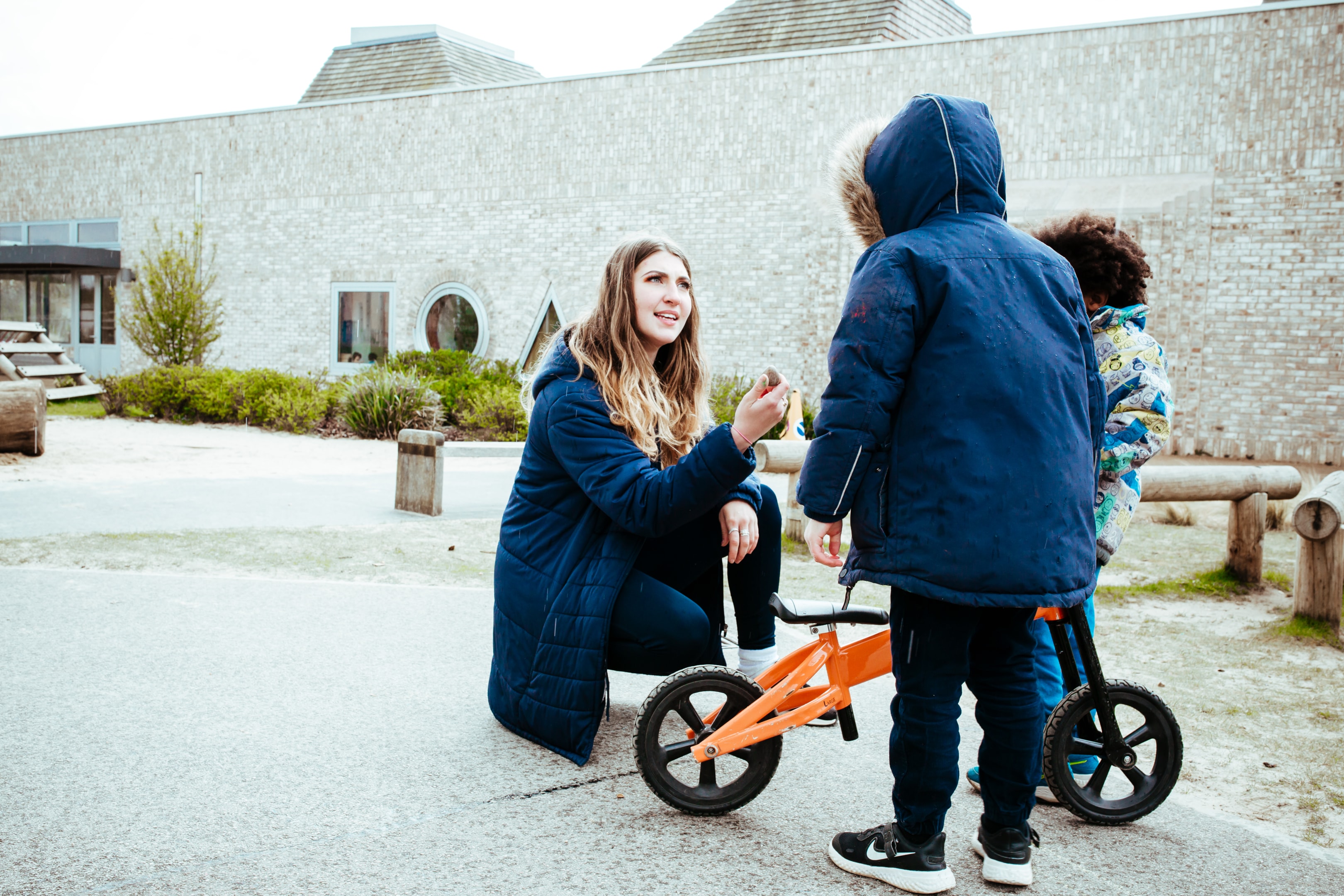
Fun activities to help children socialise and relax
1. Icebreaker games
The start of a session sets the tone for everything that follows. Quick, light-hearted icebreakers help children settle in, relax, and make new friends.
Try games like Two Truths and a Lie, or Finish the Story, where each child adds a sentence to build a group tale. These are perfect for developing communication, creativity, and confidence.
You can read more about how social play supports child wellbeing in our blog Meeting the Needs of All Children Within Your Wraparound Care.
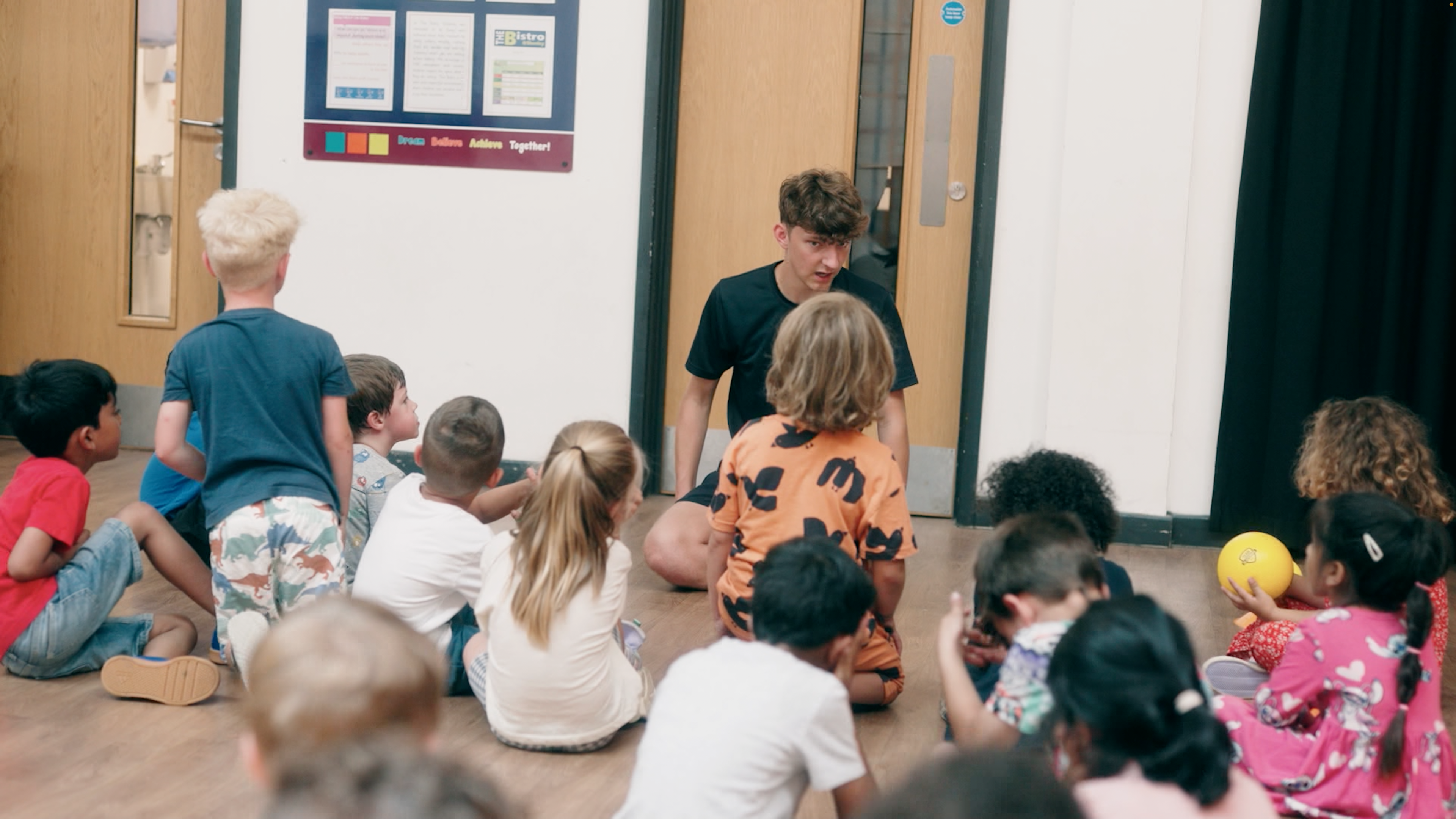
2. Building blocks and construction challenges
Lego and building blocks never go out of style. From simple towers to elaborate creations, building games spark imagination, teamwork, and problem-solving.
Create themed challenges like “build a dream playground” or “design a holiday scene.” Children love working together, and these sessions promote both fine motor skills and collaboration.
3. Board games for teamwork and focus
Board games are a simple but powerful way to encourage interaction and strategy. Switch between fast-paced options like Uno or Throw Throw Burrito and classic favourites like Chess, Monopoly, or Labyrinth.
These games help children develop patience, logic, and fair play, while giving them time to unwind after a busy school day.

Creative activities to promote emotional growth
4. Music and rhythm sessions
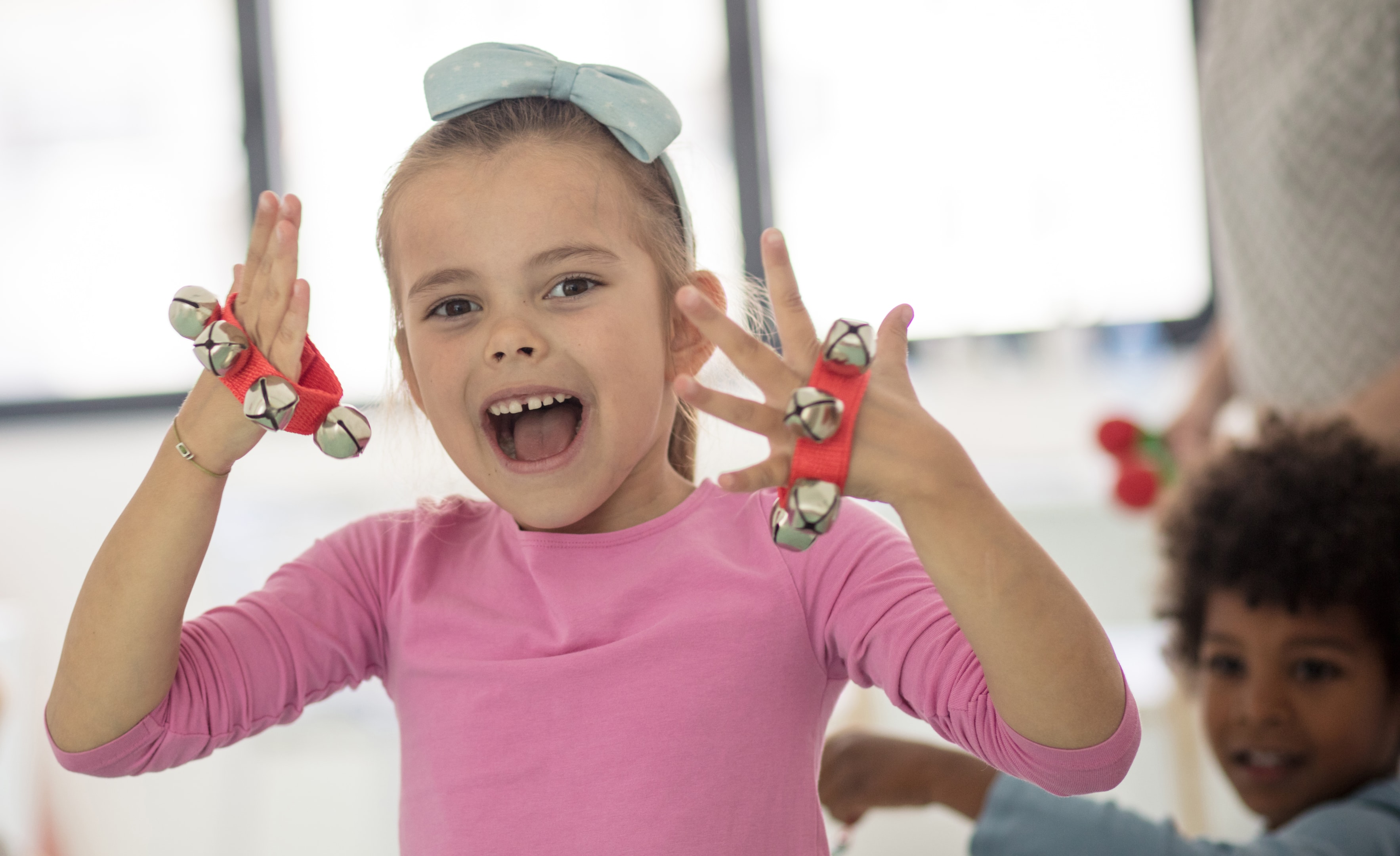
Music is a brilliant way to help children express themselves. Start small — hand drums, maracas, or homemade instruments from recycled materials.
Encouraging children to create their own rhythms or songs builds self-confidence and teamwork. You could even finish the term with a “mini concert” to celebrate their progress.
5. Drama and improv games
Drama unlocks confidence and creativity. Acting out stories or favourite film scenes gives children a safe space to express emotion and develop empathy.
Simple improv activities like “Yes, and…” or “Character Freeze” promote quick thinking and communication. Drama also helps with emotional intelligence, building skills that benefit children far beyond the classroom.
6. Painting, drawing and sculpting
Art sessions are a timeless way to encourage imagination and mindfulness. From drawing and clay sculpting to group murals, creative activities help children unwind and express themselves visually.
Provide themes like “My Favourite Place” or “Winter Dreams.” It’s a great way for children to explore identity, improve fine motor skills, and develop focus.
For more seasonal creativity ideas, check out Creative Christmas Wreath Ideas for Busy Parents and Little Helpers.
Active Play for a Healthy, Happy Lifestyle
Today’s children often spend more time on screens than in motion. Adding physical activity into your wraparound care programme supports wellbeing, focus, and energy balance.
Active play not only helps meet the Chief Medical Officer’s daily activity guidelines but also boosts mood and resilience – two outcomes at the heart of the Premier Education ethos.

7. Team Sports and Mini Tournaments
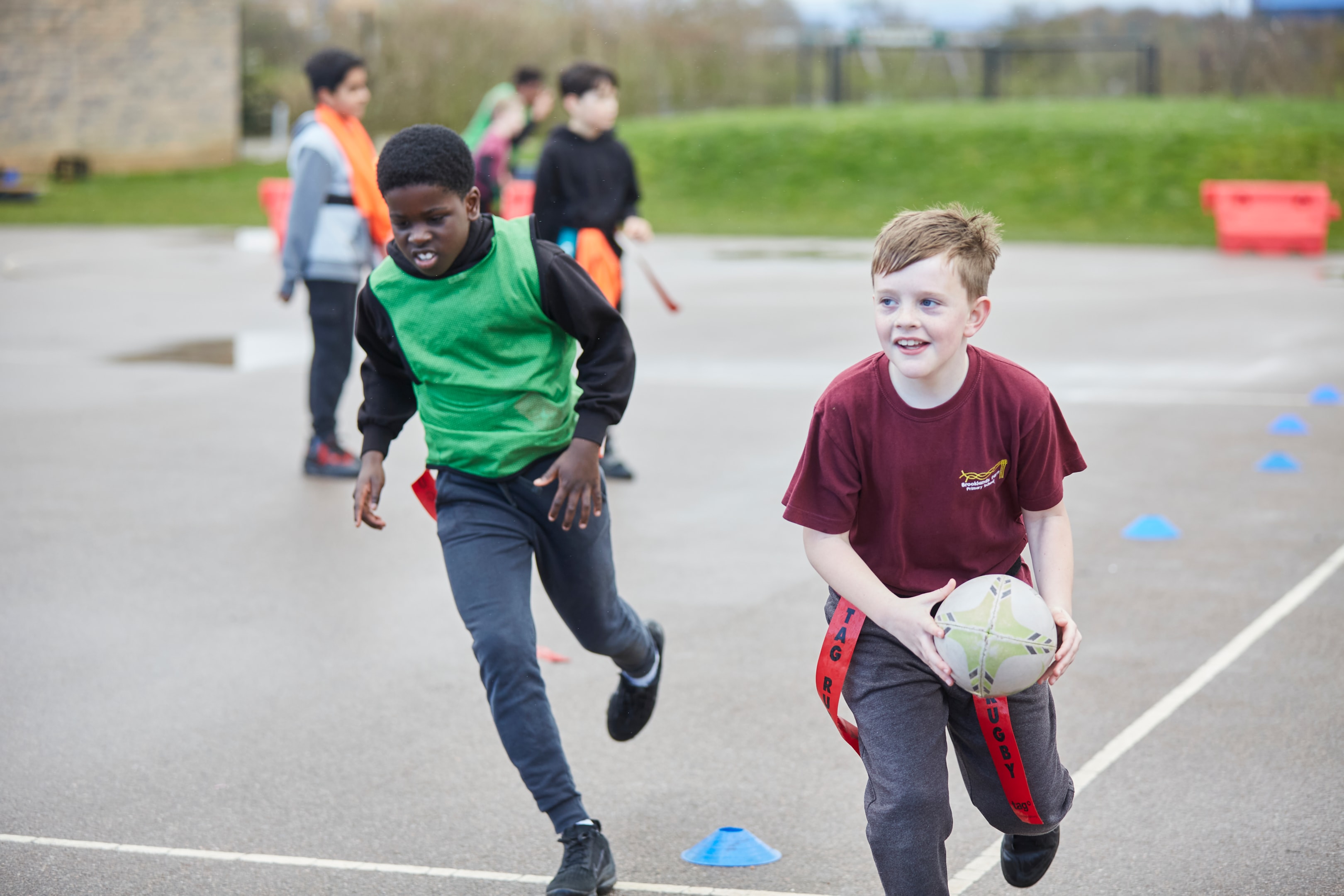
Football, cricket, and tag rugby are classics, but they’re also great levellers. You can introduce mini-tournaments where every child gets to play, rotate positions, and celebrate teamwork rather than winning.
Team games build communication skills, perseverance, and a shared sense of achievement.
Read more about the impact of PE on wellbeing in Why PE Is Important for Health and Personal Development.
8. Gymnastics and Movement
Gymnastics isn’t just about flexibility; it develops coordination, strength, and balance. You don’t need full equipment; simple mats and movement drills are enough to teach rolls, jumps, and stretches safely.
These sessions encourage body awareness and persistence while letting children challenge themselves at their own pace.
9. Martial arts and mindfulness
Martial arts like karate or judo are popular with both children and parents. They blend discipline, focus, and self-control, teaching valuable life skills alongside physical fitness. Include mindfulness or breathing moments at the end of the session to help children transition calmly into their evening routines.
10. Classic Playground Games
Sometimes the simplest activities are the best. Outdoor games like Tag, Duck, Duck, Goose, Frisbee, or obstacle courses encourage teamwork and laughter.
With minimal setup, these games promote inclusion and spontaneity, giving every child a chance to participate and let off steam before heading home.
For more ideas on keeping children active, explore Movement & Mood: Why Active Kids Thrive.
FAQs
1. What’s the difference between wraparound care and after-school clubs?
Wraparound care runs every day during term time, offering consistent before- and after-school childcare. Traditional clubs often run weekly or termly and focus on one specific activity.
2. How can schools make wraparound care engaging for different ages?
Mix structured sessions (like team games or art) with flexible free play. Rotate activities weekly and let older pupils help lead games to boost inclusion and responsibility.
3. Do I need special equipment for these activities?
Not necessarily. Most can be done with basic supplies or repurposed classroom resources. The key is variety, creativity, and engagement.
4. Can wraparound care help children’s wellbeing?
Absolutely. Structured play supports physical health, builds social skills, and reduces anxiety by offering a safe, supportive environment to unwind.
How Premier Education can help
Delivering high-quality wraparound care requires time, resources, and skilled staff. That’s where Premier Education can help.
As the UK’s largest provider of wraparound and holiday childcare, we partner with schools to create engaging, active programmes that children love, and that make life easier for school leaders and parents alike.
Our sessions are Ofsted-registered, professionally delivered, and tailored to each school’s needs. We handle planning, staffing, and reporting, so you can focus on your pupils.
Find out how Premier Education can help your school deliver quality wraparound care.
