Meeting the needs of all children within your wraparound care
How to ensure equality and inclusivity in every session
All schools promote diversity and inclusion as a matter of course. Every pupil is an individual, and so it’s important to not only recognise this in terms of day-to-day teaching, but to encourage children to respect differences from early on in their lives.
The OECD’s (The Organisation for Economic Cooperation and Development’s) report titled Equity and Inclusion in Education (2023) emphasises the importance of creating education systems that are both equitable and inclusive.
It highlights the crucial role of educators in creating inclusive environments and how ongoing professional development and support systems are needed to equip teachers to deal with diverse needs.
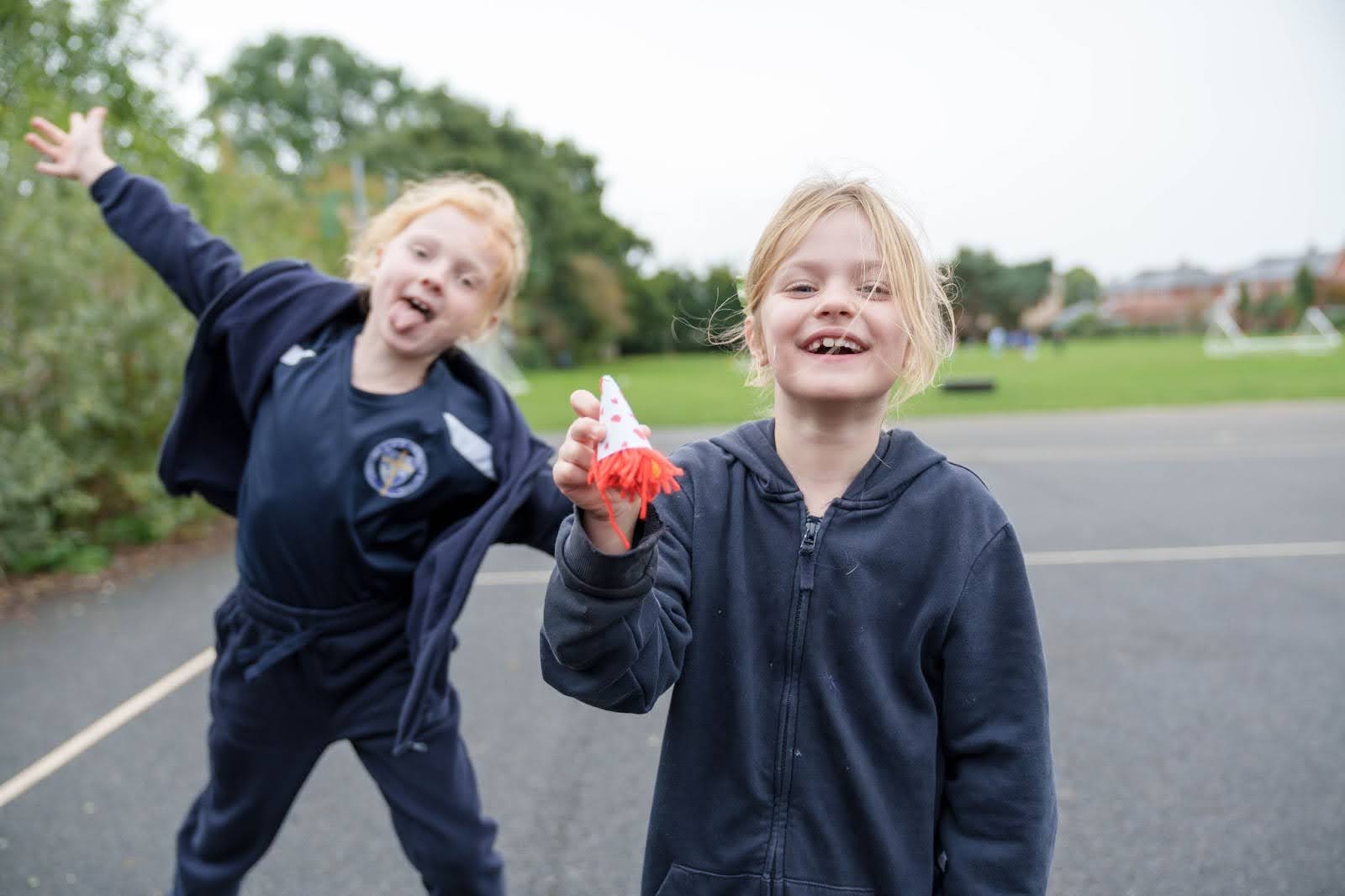
But outside of the classroom, making sure that inclusion is still a priority isn’t always easy. For example, wraparound care provisions are informal play-based settings, often within the school facility, and don’t follow a structured scheme of work.
As the leading provider of wraparound care to schools, we know how important it is to make sure all children are given equal access and opportunities within these provisions, so let’s take a closer look at how you can make sure your wraparound care provision operates with inclusivity and equality.
Why is inclusion so important in schools?
- Ensures a sense of belonging
Schools that prioritise inclusion create a community feel to their setting, allowing each pupil – and member of staff – to feel accepted and celebrated.
- Prepares pupils for future experiences
Our multi-cultural society means that children will be exposed to a wide variety of backgrounds and experiences throughout their lives. Having exposure and understanding from an early age encourages tolerance and benefits the wider community.
- Improves learning outcomes
If pupils feel included and supported, thanks to staff who place a high value on equality and a curriculum which supports this, they are more likely to engage with lessons and perform well at school.

So, how can playworkers bring inclusivity and diversity into their sessions?
Get to know the children you work with
Find out about each little personality in your care. What do they like/dislike? Try to find out about their interests and background, and watch how they interact with peers and staff members.
Checklist:
- Observe children’s play styles and interactions
- Understand each child’s background and individual needs
- Build trusting relationships with all children, even those who are naturally more reserved.
Develop an inclusive environment
To make sure that all children can participate in the before- and after-school clubs, the space has to physically accommodate all needs. Make sure it’s big enough, with resources and activities reflecting diversity and a range of experiences.
Checklist:
- Make sure the space is accessible for children with additional needs, whether that’s physical or sensory
- Prepare activities and materials that are suitable for a range of interests and abilities
- A quiet area or space is always available for those who need it
- Toys and books represent different backgrounds, cultures and family structures.
Encourage independent thinking
As a playworker, your role is to encourage free-play, for children to lead their own activities and to make choices. This is important as it gives children the confidence to play their own way, supporting them as individuals.
Checklist:
- All children are listened to and given space to share their ideas
- All forms of communication are supported, whether that be gestures, drawings or via devices
- Encourage respectful behaviour and communication between the children.
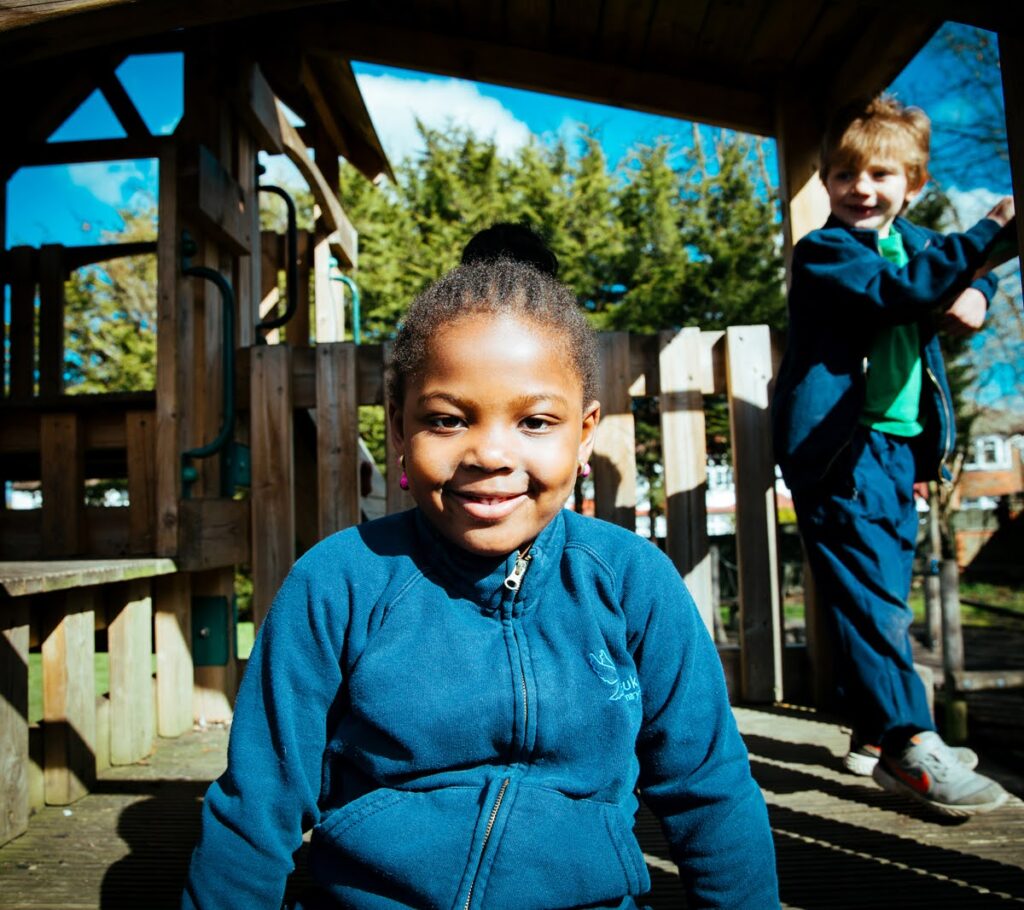
Take a firm stance against bias and exclusion
Being a role model for inclusivity and equality is a big part of ensuring your setting promotes these things. Your language, your behaviour, and being aware of unconscious bias are all ways for you to demonstrate inclusion to the children in your care. There will inevitably be instances of exclusion in group play, so it’s important to deal with this firmly and sensitively.
Checklist:
- Activities are designed to suit all children
- Intervention takes place if any bullying or exclusion is observed
- Differences are openly talked about and accepted as ‘normal’
- Cooperative play is encouraged.
Ensure individual needs are catered for
Wraparound care provisions should be carefully planned to ensure all children can get involved, without singling anyone out. Be prepared to adapt activities and resources so that no one feels left out.
Checklist:
- Children are given the freedom and choice to participate in activities
- Visual aids and choice boards are used for those who appreciate structure and routine
- Collaboration with professionals such as SENCOs takes place where needed.
Identify training opportunities for continuous learning
You may feel that your setting is diverse and inclusive, but there may be alternative or better practices out there, so it’s always worth staying up-to-date with the latest knowledge and guidance. Look to gain feedback from families and colleagues and reflect on what is or isn’t working within your setting.
Checklist:
- Request feedback at the end of each term
- Undergo ongoing training on inclusion, SEND and equality
- Personal bias or assumptions are considered and reflected upon.

It can feel daunting and even overwhelming making sure your environment is adaptable and child-centred. But simply by having an in-depth understanding and awareness of inclusivity, you’re taking positive steps in supporting all the children in your care.
Here at Premier Education, our playworkers are experienced at establishing inclusive wraparound care provision, so if you want to offer this facility without adding wraparound care challenges to the workload of your staff, let us help.
